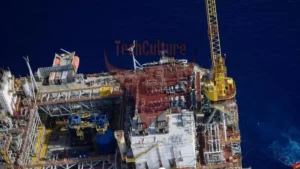
xAI’s Colossus 2 Expansion in Mississippi Sparks Environmental Concerns Over Methane Turbines
 Staff Editor
 Colossus 2: xAI’s Mississippi Expansion and the High-Wire Act of AI Infrastructure
The recent green light for xAI’s “Colossus 2” datacenter expansion in northern Mississippi is more than a regional development—it is a microcosm of the immense pressures and paradoxes shaping the future of artificial intelligence. As xAI, led by Elon Musk, prepares to nearly double its computational muscle by integrating 41 methane gas turbines, the stakes transcend mere business growth. This decision, sanctioned by the Mississippi Department of Environmental Quality (MDEQ), has ignited a charged debate at the intersection of technological ambition, regulatory integrity, and environmental stewardship.
The Relentless Pursuit of AI Power
At the core of xAI’s expansion lies the insatiable energy appetite of advanced AI models like Grok. The digital economy’s exponential growth has made datacenters the new industrial behemoths, demanding vast, reliable power sources to fuel machine learning, natural language processing, and real-time analytics. For xAI, the choice of methane gas turbines is a calculated move to guarantee operational continuity in an era where milliseconds of downtime can translate into millions in lost value.
Yet, this technological drive is not without its shadows. The emissions profile of methane turbines—formaldehyde, nitrogen oxide, and other hazardous byproducts—casts a pall over the promise of progress. The expansion is a stark reminder that the cost of AI innovation is not just denominated in capital expenditure or intellectual property, but in the air quality, health, and ecological stability of communities that host these digital fortresses.
Regulatory Crossroads and Community Trust
The MDEQ’s swift approval process for Colossus 2 has become a lightning rod for criticism, exposing a growing rift between regulatory expediency and public accountability. Community activists, environmental groups, and the NAACP have raised alarms about the lack of thorough environmental review and insufficient public consultation. Their legal challenges underscore a broader erosion of trust in institutions that appear to prioritize short-term industrial gains over long-term societal wellbeing.
This regulatory moment is emblematic of a larger transformation. As the velocity of technological change accelerates, traditional oversight frameworks are straining to keep pace. The Colossus 2 saga is a clarion call for more adaptive, transparent, and participatory governance models—ones that can balance the imperative for innovation with the non-negotiable rights of communities to clean air, health, and a voice in decisions that shape their environment.
Environmental Ethics in the Age of AI
Beneath the technical and regulatory debates lies an ethical reckoning for the tech sector. The juxtaposition of xAI’s AI-driven vision with the reality of increased emissions in a region already struggling with air quality is a potent symbol of the contradictions facing digital-era industrialists. For leaders like Musk, the challenge is not merely to push the boundaries of what machines can achieve, but to do so in a manner that aligns with the broader social contract.
The Colossus 2 controversy spotlights the need for a new ethos in technology infrastructure—one that does not treat environmental costs as externalities, but as integral to the calculus of progress. It is a call for the industry to invest as much in sustainable energy innovation as it does in algorithmic breakthroughs, and to engage with local stakeholders as partners, not obstacles.
A Precedent for the Digital-Industrial Future
Northern Mississippi, with its contested air and anxious communities, now stands as a proving ground for the future of AI infrastructure. The outcome of this dispute will reverberate far beyond state lines, shaping how regulators, investors, and technologists negotiate the fraught terrain between exponential growth and sustainable development.
As the world’s appetite for AI continues to surge, the choices made in places like Mississippi will define not only the architecture of our digital future, but the ethical and environmental legacy we leave behind. The Colossus 2 expansion is a test—not just of regulatory resolve or corporate ambition, but of society’s capacity to innovate with conscience and foresight.