V&A Museum’s Digital Renaissance: Elevating Video Games as Cultural Artifacts at London Games Festival
 Staff Editor
 V&A’s Digital Renaissance: How Video Games Are Redefining Art, Culture, and Commerce
The Victoria & Albert Museum’s recent Friday Late, staged in partnership with the London Games Festival, marked a watershed moment for the intersection of cultural heritage and digital innovation. More than an evening of spectacle, this event signaled a deeper transformation: the reimagining of museums as dynamic, participatory spaces where digital media—most notably video games—are not only displayed but celebrated as vital contemporary cultural artifacts.
The Museum as Playground: Blurring Lines and Breaking Barriers
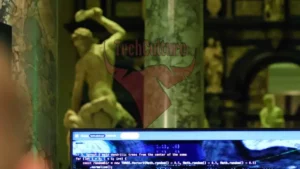
Stepping into the V&A that evening, visitors found themselves immersed in a world where the boundaries between observer and participant melted away. Interactive installations sat cheek-by-jowl with centuries-old artifacts, while live-coding DJs and award-winning indie games such as “Thank Goodness You’re Here!” beckoned guests into a realm of sensory exploration and communal dialogue. The museum, long a bastion of the static and the silent, became a vibrant playground for digital storytelling and creative experimentation.
This curatorial boldness is more than a nod to novelty. It reflects a growing institutional recognition that video games—once relegated to the periphery of cultural legitimacy—now command a central place in the narrative of human creativity. With their intricate narratives, visual artistry, and unique capacity to foster social interaction, games are emerging as both mirrors and makers of contemporary culture. The V&A’s embrace of these interactive experiences invites visitors to reconsider what art can be, and who gets to participate in its creation and enjoyment.
Market Disruption: Indie Games Gain Cultural Capital
The implications of this cultural shift extend well beyond the museum walls. By showcasing independent games within its storied galleries, the V&A confers a new level of prestige upon the medium, amplifying its appeal to investors, developers, and audiences alike. This endorsement signals to the market that video games are not merely commercial products but vehicles for substantive, immersive storytelling—worthy of critical acclaim and cultural investment.
As consumers grow increasingly discerning, seeking digital experiences that transcend the transactional, the independent gaming sector stands poised for a renaissance. Developers are encouraged to push boundaries, weaving richer narratives and exploring nuanced themes that reflect the complexities of our age. This dynamic, in turn, challenges traditional business models in the gaming industry, fostering a more symbiotic relationship between artistic innovation and commercial viability.
Regulation, Ethics, and the Global Digital Commons
Yet, the V&A’s digital turn is not without its challenges. The globalization of digital art forms has ignited urgent debates around intellectual property, digital preservation, and the ethical stewardship of interactive media. By foregrounding dialogue over pure commerce, the museum’s initiative aligns with emerging regulatory trends in the EU and beyond—trends that emphasize the protection of cultural diversity and the responsible archiving of digital works.
These developments have far-reaching implications. As policymakers grapple with questions of cultural funding, digital archiving, and cross-border creative exchange, the museum’s approach offers a template for balancing innovation with inclusivity. It also prompts a reexamination of the museum’s ethical responsibilities: How can institutions ensure that digital art remains accessible, participatory, and representative of diverse voices?
Toward a New Cultural Commons
Perhaps most significantly, the V&A’s Friday Late event embodies a democratization of the cultural experience. By inviting visitors to create fanzines, perform Robot Karaoke, and engage in live, improvisational play, the museum fosters a sense of belonging and creative agency. This participatory ethos challenges hierarchical notions of art consumption, opening the door to a more inclusive and vibrant cultural commons.
As museums worldwide navigate the complexities of the digital age, the V&A’s experiment offers a compelling vision for the future. By weaving together historical legacy and contemporary innovation, institutions can ensure that the stories of our time—told through code, sound, and play—are not only preserved but celebrated as essential threads in the evolving tapestry of human culture.