Trump’s New Tariffs Up to 100% on Pharmaceuticals and Trucks Spark Economic and Trade Concerns
 Staff Editor
 Trump’s Tariff Gambit: Redefining the Boundaries of Economic Strategy
When former President Donald Trump unveiled a sweeping new tariff regime—slapping up to 100% duties on imported pharmaceuticals, trucks, and even kitchen cabinets—the move was more than a recalibration of trade tactics. It was a clarion call signaling a profound reorientation in America’s economic priorities, one that fuses the language of national security with the machinery of commerce. For business and technology leaders, the implications are as far-reaching as they are immediate.
Healthcare in the Crosshairs: The Risk of Escalating Drug Prices
Among the most contentious elements of the tariff package is the extraordinary levy on imported pharmaceuticals. With the U.S. importing $233 billion in branded drugs in 2024 alone, the specter of a 100% tariff threatens to send shockwaves through the healthcare system. The likely result? Sharply higher costs for essential medications, a scenario that could deepen the existing crisis of healthcare affordability.
For millions of Americans—especially those dependent on Medicare and Medicaid—the prospect of surging drug prices is not an abstract policy debate. It is a looming, personal threat. Patients may soon find themselves forced to ration life-saving therapies or abandon them altogether, as the cost of treatment outpaces incomes and insurance coverage. This dynamic risks undermining public health and exacerbating disparities, even as it raises uncomfortable questions about the balance between industrial protection and societal well-being.
Market Volatility and Strategic Uncertainty
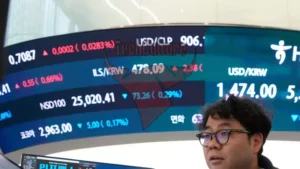
Financial markets wasted little time in registering their disquiet. Stocks recoiled in response to the tariff announcement, reflecting a broader anxiety about the policy’s ripple effects. With inflation already gnawing at consumer confidence and labor markets in flux, the injection of sudden, sweeping tariffs has introduced a fresh layer of unpredictability.
Industries with deep dependencies on global supply chains—ranging from automotive manufacturing to consumer electronics—now face a landscape where cost structures are in flux and competitive advantages are upended. The abruptness of the policy, following earlier hints of a more gradual approach, has left corporate strategists scrambling to reassess risk. For multinational enterprises, the absence of clear guidelines on exemptions and implementation timelines only compounds the challenge, stifling the appetite for long-term investment and innovation.
Geopolitics and the New Logic of Trade
Perhaps most striking is the administration’s invocation of national security as a rationale for tariffs on everyday consumer goods. This move collapses the distinction between economic and defense policy, suggesting a worldview in which trade is a front line in geopolitical competition. The U.S. Chamber of Commerce’s vocal opposition underscores the stakes: tariffs designed to shield domestic producers can just as easily strain relationships with allies, disrupt supply chains, and invite retaliatory measures.
This blurring of economic and security imperatives is emblematic of a broader shift in global trade dynamics. As alliances are tested and new rivalries emerge, the tools of commerce are increasingly wielded as instruments of statecraft. For technology firms and manufacturers, the message is clear: the calculus of investment, innovation, and supply chain management must now account for a world where economic policy is inseparable from geopolitical strategy.
The Double-Edged Sword of Industrial Policy
There is a paradox at the heart of Trump’s tariff approach. On one side, the promise of exemptions for companies that localize manufacturing could catalyze a renaissance in domestic industry, spurring job creation and investment in advanced manufacturing technologies. On the other, the unpredictability and opacity of the policy risk deterring the very corporate commitments it seeks to inspire.
For business and technology leaders, the new tariff landscape demands agility and foresight. Navigating the interplay of politics, economics, and global trade will require not only operational dexterity but also an acute sensitivity to the broader forces reshaping the rules of engagement. The era of tariffs as a blunt instrument is giving way to a more complex, high-stakes game—one where every move reverberates across markets, industries, and international relations.