Trump-Iran Tensions Fuel Market Volatility Amid Shifting Global Power Dynamics
 Staff Editor
 The Trump-Iran Drama: How Volatile Diplomacy Is Reshaping Market and Power Dynamics
The recent escalation and subsequent de-escalation of tensions between the United States and Iran, orchestrated from the highest levels of the White House, has reverberated far beyond the corridors of political power. For business and technology leaders, this episode serves as a lens through which to examine the evolving relationship between geopolitical strategy, market psychology, and the shifting architecture of global power.
Rhetoric, Markets, and the Anatomy of Uncertainty
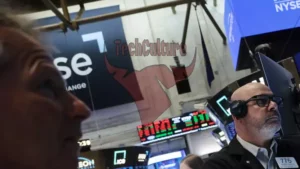
President Trump’s approach to the Iran conflict has been anything but conventional. His pattern of issuing bold, sometimes incendiary threats—followed by abrupt reversals—has proven to be a potent catalyst for market volatility. The immediate aftermath of his aggressive statements saw oil prices surge and stock futures tumble, an unmistakable signal of the markets’ acute sensitivity to the specter of military confrontation in the Middle East.
Yet, these dramatic swings are not mere blips on a Bloomberg terminal. They are the visible manifestations of a deeper uncertainty that now pervades global finance. Investors, increasingly attuned to the choreography of political theater, are forced to navigate a landscape where executive pronouncements can whipsaw sentiment and upend risk models in a matter of hours. When the White House pivoted to language of “productive talks,” markets rebounded, but the relief was tempered by the realization that clarity and stability remain elusive commodities.
This volatility is compounded by the divergence between U.S. assertions of diplomatic progress and Iran’s denials of any substantive negotiation. The result is a credibility gap that not only clouds the information environment but also undermines the foundational trust on which effective diplomacy and market confidence depend.
The Waning Power of Unilateralism
The Trump administration’s reliance on personality-driven, unilateral maneuvering stands in stark contrast to the realities of a multipolar world. Once, the mere hint of American military intervention could jolt adversaries and realign markets. Today, Tehran’s increasingly assertive posture demonstrates a newfound autonomy—one that is especially pronounced in its influence over energy markets and regional security calculations.
This shift is more than symbolic. It signals a recalibration of power in which even the most muscular displays of American intent may be insufficient to sway determined regional actors. For market participants, the lesson is clear: the old playbook of reading U.S. presidential signals as a proxy for global stability is no longer reliable. The locus of risk is shifting, and so too must the strategies for managing it.
Political Theater, Market Sentiment, and the Ethics of Uncertainty
The timing of these events, set against the backdrop of impending midterm elections, adds yet another layer of complexity. The gap between tough rhetoric and the reality of Iran’s resilience risks eroding public trust and invites scrutiny of the ethical dimensions of crisis messaging. In this environment, the boundaries between genuine diplomatic signaling and political posturing have become increasingly porous.
For investors and business strategists, the implications are profound. The markets are no longer content to react reflexively to every tweet or soundbite. Instead, there is a growing sophistication in risk assessment, one that prizes ground realities and the resilience of counterparties over the volatility of executive communication. This recalibration is a testament to the maturation of global markets, but it also exposes the perils of relying on short-term political tactics to manage long-term economic and strategic interests.
Toward a New Framework for Geopolitical Risk
The Trump-Iran episode underscores the urgent need for more robust institutional frameworks and multilateral mechanisms in managing global crises. As geopolitical risk becomes increasingly defined by the strategic interests and resilience of regional actors, the role of regulatory bodies and international institutions becomes paramount. Only through predictable, cooperative, and rules-based engagement can markets regain the stability they crave.
The enduring takeaway is not found in the day-to-day gyrations of oil prices or stock indices, but in the broader realignment of global power and the recalibration of market expectations. For business and technology leaders, the message is unmistakable: in a world where the old certainties are fading, agility, discernment, and a commitment to multilateralism are the new imperatives for navigating the intersection of politics and profit.