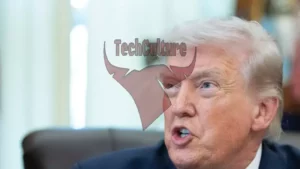
Trump Doubles Steel & Aluminum Tariffs to 50% to Protect U.S. Industry Amid Trade Tensions
 Staff Editor
 Tariffs, Steel, and the New American Industrial Gamble
The clang of steel has always echoed through the corridors of American economic power—an emblem of industrial might and national pride. In West Mifflin, former President Trump’s latest proclamation to double tariffs on steel and aluminum imports to 50% marks more than a campaign promise; it signals a pivotal moment in the evolving narrative of U.S. trade policy. For business leaders and technology strategists, this move is less about political theater and more about the intricate machinery of global supply chains, national security, and the future of American industrial policy.
Protectionism Reimagined: National Security in a Globalized World
The strategic deployment of tariffs as a bulwark for national security is not a novel concept, but its resurgence in today’s economic climate is telling. The rationale is clear: a robust domestic steel sector is foundational to infrastructure, defense, and technological innovation. The COVID-19 pandemic exposed the fragility of global supply chains, emboldening policymakers to prioritize resilience over efficiency. Tariffs, effective June 4, are positioned as a safeguard, insulating American producers from foreign competition and supply shocks.
Yet, this pivot towards economic nationalism is fraught with complexity. While it may fortify key industries, it also risks isolating the U.S. from the very networks that have underpinned decades of growth and innovation. The calculus is delicate—balancing the imperative for self-reliance against the efficiencies and partnerships that global commerce enables.
The Nippon Steel–US Steel Deal: Partnership or Acquisition?
Trump’s fanfare over a “blockbuster” deal between Japan’s Nippon Steel and US Steel adds another layer of intrigue. The ambiguity—whether this is a partnership or an outright acquisition—reflects deeper uncertainties about the trajectory of American industry in a world of transnational mergers and acquisitions.
Cross-border investments can be catalysts for technology transfer, operational excellence, and expanded market access. However, the blurred lines between partnership and acquisition raise critical questions about transparency and control. If foreign ownership is masked as domestic partnership, it could erode the very national interests the tariffs aim to protect. The strategic allocation of assets, shareholder incentives, and long-term stewardship of American jobs are all at stake.
This deal’s reception among organized labor is telling. Some union members, lured by the promise of $5,000 bonuses, express cautious optimism. However, union leadership remains wary—skeptical of politically charged incentives that may not translate into lasting job security or meaningful influence over corporate governance. Their stance underscores a broader dilemma: the tension between political imperatives and the lived realities of industrial labor.
Global Trade Recalibrated: Risks and Ripple Effects
The U.S. decision to escalate tariffs is not made in a vacuum. It reverberates across global markets, inviting potential retaliation from trade partners and injecting uncertainty into industries reliant on international supply chains. For sectors such as automotive and technology, the prospect of higher input costs looms large, threatening competitiveness and innovation.
Market analysts are poised to scrutinize whether these protectionist measures will drive genuine revitalization in the domestic steel sector or merely fragment global markets, raising costs across the board. The broader risk is a drift toward tit-for-tat trade wars, undermining the collaborative frameworks that have long governed international commerce.
The Stakes for U.S. Industrial Policy
The events in West Mifflin encapsulate an enduring challenge: how to reconcile the demands of national security and industrial policy with the realities of a deeply interconnected global economy. As the U.S. doubles down on protectionist tools, the stakes extend beyond steel and aluminum, touching all facets of American competitiveness.
For business and technology leaders, the imperative is clear: navigate a landscape where political calculations, regulatory shifts, and market dynamics are more entwined than ever. The choices made today will reverberate through boardrooms, factory floors, and international negotiations for years to come—defining not just the future of American industry, but the very terms of global economic engagement.