The Greatest Showman Bristol Premiere: Innovative Stage Adaptation Blends Nostalgia & Immersive Storytelling
 Staff Editor
 Reinventing Spectacle: The Greatest Showman’s Leap from Screen to Stage
The entertainment industry is no stranger to adaptation, but the transformation of The Greatest Showman from cinematic phenomenon to stage musical at Bristol Hippodrome marks a pivotal moment in the evolving relationship between intellectual property and audience engagement. This transition is not merely a change of venue or medium; it is a meticulously orchestrated move that signals deeper shifts in how stories are curated, monetized, and experienced in the contemporary entertainment landscape.
Strategic Storytelling and the Expanding Universe of IP
At the heart of this stage adaptation lies a sophisticated understanding of intellectual property as a living, breathing asset. Fox’s original film, buoyed by the indelible power of its soundtrack—most notably the anthemic “This Is Me”—captured global imaginations and cultivated a dedicated fanbase. The new Bristol production, enhanced by additional compositions from Benj Pasek and Justin Paul, leverages this legacy while simultaneously refreshing the narrative for a live audience. This strategy exemplifies a broader industry pattern: established creative teams are not only trusted to preserve the essence of beloved franchises but also tasked with reinvigorating them to sustain fan loyalty and critical relevance.
By investing in both continuity and innovation, producers are building a bridge between nostalgia and novelty. This duality is increasingly central to the business of entertainment, where the value of a franchise is measured not just by past success but by its ability to adapt and thrive across platforms. The move to stage is, in essence, a calculated expansion of the IP’s universe, with new revenue streams emerging from ticket sales, merchandise, and potentially future international tours.
Regional Renaissance: Bristol as Testbed and Trendsetter
The decision to launch in Bristol, rather than the more predictable West End or Broadway circuits, represents a bold recalibration of theatrical geography. Regional premieres have become fertile ground for innovation, providing a lower-risk, high-reward environment where new productions can be refined before scaling globally. The eight-week sold-out run at Bristol Hippodrome is evidence of both pent-up demand and shifting consumer patterns—audiences are increasingly seeking high-caliber experiences outside traditional cultural capitals.
This democratization of access is more than a logistical maneuver; it is a recognition that the appetite for boundary-pushing theatre extends far beyond London or New York. Regional theatres are now robust engines of cultural experimentation, capable of incubating productions with national and even international ambitions. The commercial and critical success of The Greatest Showman in Bristol may well serve as a blueprint for future rollouts, challenging long-held assumptions about where theatrical innovation happens and who gets to experience it first.
Casting, Ethics, and the New Narrative Imperative
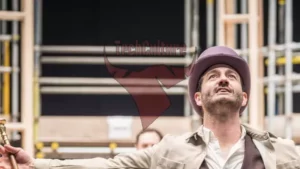
Casting choices for this production are themselves a statement. With Oliver Tompsett and Samantha Barks—both luminaries in the musical theatre world—at the helm, the show signals respect for its artistic lineage while offering a fresh take on P.T. Barnum’s story. Yet, the adaptation does not shy away from the complexities of Barnum’s legacy. Rather than indulging in hagiography, the narrative acknowledges, sometimes implicitly, the ethical ambiguities surrounding Barnum’s exploitation of difference.
This nuanced approach aligns with contemporary conversations about representation, inclusivity, and the commodification of diversity. It is a delicate balancing act: to celebrate the spectacle and humanity of the circus without glossing over the darker chapters of its history. In doing so, the production taps into the zeitgeist, reflecting the entertainment industry’s growing responsibility to engage with social and ethical issues alongside commercial imperatives.
Immersive Futures: The Stage as Strategic Frontier
The adaptation of The Greatest Showman is emblematic of a larger trend toward immersive, multi-sensory storytelling. Major players like Disney are signaling a pivot toward original theatrical content, recognizing the stage as not just an artistic outlet but a strategic frontier for intellectual property development and audience engagement. This shift is driven by regulatory pressures, evolving consumer expectations, and the relentless pursuit of new monetization models.
For business and technology leaders, the Bristol production offers a compelling case study in how legacy content can be reimagined to capture new markets and deepen audience investment. It is a testament to the fluid boundaries between commerce and culture, and to the enduring power of narrative reinvention in an age defined by both innovation and nostalgia.