Texas Renewable Energy Boom Drives Rural Growth Amid GOP Policy Debates
 Staff Editor
 Texas at the Crossroads: Renewable Energy, Republican Ideology, and the Future of Rural Prosperity
The Texas energy debate has become more than a policy skirmish—it is a crucible for the future of American conservatism and the economic fate of rural communities. In the rolling plains of Menard County, the story of John Davis—a former state representative now championing wind power—captures the tectonic shifts beneath the surface of the Lone Star State’s political landscape. Here, the winds of change are not only literal but deeply symbolic, signaling a new chapter in the evolving relationship between ideology, business, and the environment.
Renewable Energy’s Rural Renaissance
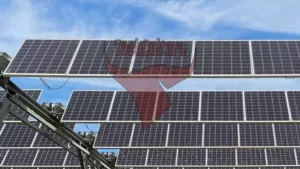
Texas has long been synonymous with oil and gas, but in recent years, it has quietly outpaced even California in wind and solar capacity. This renewable boom is not an abstract triumph of technology; it is a lifeline for rural economies facing the slow decline of traditional agriculture and fossil fuel jobs. For landowners like Davis, wind turbines are more than silhouettes on the horizon—they are engines of economic survival, generating up to 40% of household income and offering a buffer against the volatility of commodity markets.
Yet, this progress is now under threat. Proposed legislative measures aimed at restricting new wind and solar installations have cast uncertainty over the sector’s future. Proponents of these restrictions argue for the sanctity of Texas’s oil and gas legacy, but critics warn that such moves risk not only stalling environmental progress but also undermining the fragile economic revival in rural communities. The stakes are not theoretical: for many, the renewable sector represents the difference between stagnation and renewal.
GOP Identity Crisis: Pragmatism vs. Orthodoxy
At the heart of the debate is a profound ideological rift within the Republican Party. The old guard, echoing Donald Trump’s anti-renewable rhetoric, clings to a vision of Texas as the last bastion of fossil fuel dominance. But on the ground, a new faction is emerging—one that sees renewable energy not as a threat, but as an opportunity for economic diversification and resilience.
This internal tension is reshaping the party’s identity. The grassroots embrace of wind and solar by rural Republicans challenges the narrative that clean energy is the exclusive domain of progressive urbanites. Instead, it reveals a pragmatic streak: voters and lawmakers alike are increasingly willing to prioritize jobs, landowner rights, and local prosperity over ideological purity. The future of the GOP in Texas may well depend on its ability to reconcile these competing impulses.
Market Signals and Geopolitical Undercurrents
The implications of Texas’s policy choices ripple far beyond state lines. As global capital flows increasingly favor sustainable energy, any move that injects regulatory uncertainty into the Texas market risks chilling investment and ceding competitive advantage to more forward-looking jurisdictions. The state’s legislative stance becomes a bellwether for the broader conservative response to the energy transition—a potential harbinger of resistance to global trends in decarbonization and climate action.
For multinational corporations and institutional investors, the signals from Austin matter. A state that appears to prioritize short-term fossil fuel interests over long-term environmental and economic resilience risks marginalizing itself in a world where ESG (Environmental, Social, Governance) metrics drive capital allocation. The policy debate in Texas is thus not just a local skirmish, but a test of America’s ability to lead in the next energy era.
Land, Liberty, and the Ethics of Energy Transition
Beneath the political and economic arguments lies a fundamental ethical question: who controls the destiny of rural Texas? Proposed restrictions on renewables raise thorny issues of property rights and local autonomy. For many landowners, these policies feel like an infringement on their ability to chart their own economic futures. The paradox is stark—measures intended to protect the public interest may, in fact, undermine the very communities they claim to serve.
As Texas stands at the intersection of tradition and transformation, the choices made in its legislature will echo across the nation. The outcome will determine not just the state’s energy mix but the shape of rural prosperity, the future of conservative politics, and America’s place in the global race toward sustainability. The winds of change, it seems, are blowing whether lawmakers are ready or not.