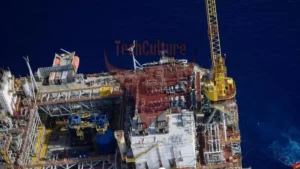
Strait of Hormuz Crisis Sparks Oil Price Surge and Global Economic Uncertainty
 Staff Editor
 Strait of Hormuz Crisis: Navigating the Crossroads of Energy, Geopolitics, and Economic Stability
The energy world stands at an inflection point as the crisis at the Strait of Hormuz reverberates across global markets and political corridors. The International Energy Agency’s (IEA) recent warning—that the fallout from the blockade of this vital waterway now eclipses the oil shocks of the 1970s—underscores a new era in which energy security, economic resilience, and geopolitical maneuvering are inextricably linked. For business and technology leaders, understanding the multifaceted implications of this disruption is essential as they steer through a landscape where uncertainty is the only constant.
The Strait of Hormuz: Chokepoint of Global Energy Flows
Few maritime corridors command as much strategic significance as the Strait of Hormuz. This narrow passage funnels a substantial portion of the world’s oil supply, acting as both a lifeline for energy-importing nations and a pressure point for geopolitical leverage. The current blockade, layered atop escalating U.S.–Iran tensions, has transformed this chokepoint into a crucible of risk.
Unlike the oil crises of 1973 and 1979, which prompted sweeping changes in energy policy and international alliances, today’s disruption is complicated by the volatility of modern geopolitics. High-profile rhetoric—such as former President Trump’s dire predictions—amplifies investor anxiety, feeding a feedback loop of market volatility. European indices and Wall Street alike have recoiled, their jitters a testament to how swiftly energy insecurity can metastasize into broader financial instability. In this environment, volatility itself becomes a traded commodity, and every headline from the Gulf ripples through global equity and commodity markets.
Economic Shockwaves: Inflation, Inequality, and the Shadow of Stagflation
The immediate market response—a surge in oil prices to around $110 per barrel—carries profound global consequences. For developing economies, the pain is acute: as energy and food prices soar in tandem, inflation threatens to erode hard-won gains in poverty reduction. The International Monetary Fund’s projections of slowing growth and higher inflation are not abstract forecasts—they are harbingers of real hardship for billions.
Even advanced economies are not immune. In the UK, the specter of stagflation looms large as rising fuel costs squeeze household budgets and dampen economic prospects. The intricate web connecting energy prices, supply chains, and consumer confidence means that shocks in the Gulf can quickly morph into systemic threats, challenging both monetary policy orthodoxy and social cohesion.
Ethics, Intervention, and the Limits of Power
The crisis’s military dimension adds another layer of complexity. Strikes targeting Iranian oil infrastructure, while intended to safeguard energy flows, raise urgent questions about proportionality, legality, and the human cost of intervention. Powerful nations must grapple with the paradox of seeking stability through force—a strategy that can just as easily sow chaos as restore order. The boundaries of state sovereignty and the ethical obligations of global actors are tested in real time, with every escalation risking a spiral of unintended consequences.
These dilemmas are not just theoretical. They shape the calculus of investors, regulators, and policymakers, who must weigh the imperatives of market stability against the risks of deepening conflict. The tension between immediate economic security and long-term ethical governance is now a defining feature of the global energy landscape.
Toward Resilience: Rethinking Energy Strategy and Policy
Amid the turmoil, a clear imperative emerges: the need for a fundamental reimagining of energy policy and regulatory frameworks. Governments and international organizations face mounting pressure to accelerate the transition toward diversified, sustainable energy systems—reducing reliance on vulnerable chokepoints and volatile suppliers.
Technological innovation, from advanced grid management to scalable renewables, will play a pivotal role in building resilience. At the same time, greater transparency in energy markets and fortified supply chains can help cushion future shocks. On the geopolitical front, the crisis may catalyze new alliances and diplomatic architectures, reflecting a world where energy security is as much about negotiation and foresight as it is about barrels and pipelines.
The Strait of Hormuz crisis is more than a transient disruption—it is a revealing stress test for the global order. As business and technology leaders chart a course through this uncertainty, the lessons of today will shape the strategies and priorities of tomorrow, demanding a delicate balance between energy security, ethical responsibility, and sustainable progress.