Strait of Hormuz Crisis Disrupts Global Oil Supply, Sparks Jet Fuel Shortages and Energy Security Concerns
 Staff Editor
 Geopolitical Faultlines: How the Strait of Hormuz Crisis Is Redefining Global Energy Security
The world’s reliance on the seamless flow of energy has rarely felt more precarious. As Iran’s closure of the Strait of Hormuz disrupts a critical artery for global oil transit, the aftershocks are rippling far beyond the Persian Gulf, shaking the foundations of industries and economies across continents. This latest escalation in geopolitical tensions has thrust the fragility of global energy supply chains into sharp relief—forcing business leaders, policymakers, and technologists to confront the profound vulnerabilities that underlie modern economic life.
Aviation and Tourism: The Domino Effect of Jet Fuel Scarcity
European airports, poised for a resurgence in summer travel, now find themselves on the front lines of a brewing crisis. The specter of acute jet fuel shortages threatens not only to ground flights and upend meticulously planned schedules but also to stymie the hopes of tourism-dependent economies eager for a post-pandemic rebound. The aviation sector, emblematic of globalization’s promise, is uniquely exposed to such shocks: a single chokepoint in the Middle East can translate into cascading operational and financial challenges in Frankfurt, Paris, or Dublin.
Yet, the turbulence does not stop at the terminal gates. The interconnected nature of the travel ecosystem means that instability in fuel supplies reverberates through hospitality, retail, and local transport networks. As travelers face cancellations and uncertainty, downstream businesses brace for diminished foot traffic and weakened consumer confidence. For regions still nursing economic wounds from COVID-19, the timing could scarcely be worse.
Domestic Unrest: When Energy Markets Become a Matter of National Security
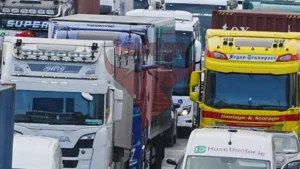
The energy crisis is not merely an abstract concern for boardrooms and trading floors—it is increasingly a catalyst for domestic upheaval. In Ireland and Norway, surging fuel prices have sparked protests that are rapidly morphing into broader social and logistical challenges. The Irish government’s decision to place the army on standby is a stark indicator of how energy disruptions can escalate into threats to public order and national security.
These domestic responses are more than just a barometer of public frustration; they lay bare the ethical and governance dilemmas facing modern societies. As citizens shoulder the burden of decisions made on the world stage, governments must navigate a fraught path between immediate economic relief and the long-term imperative of energy transition. How much should a nation risk its social cohesion to maintain the status quo, and at what point does the pursuit of energy security demand transformative change?
Inflation and Policy: The Fed’s Tightrope Walk in a Volatile World
Across the Atlantic, the United States is feeling the pinch in its own way. March’s inflation figures—spurred by an eye-watering 10.9% jump in energy costs—highlight the delicate dance between global events and domestic economic health. For the Federal Reserve, the challenge is acute: persistently high energy prices threaten to entrench inflation, potentially forcing interest rate hikes that could ripple through credit markets and consumer spending.
This feedback loop between geopolitical instability and monetary policy underscores the interconnectedness of today’s risk landscape. Central banks must now factor in not only traditional economic indicators but also the unpredictable variables of international conflict and supply chain fragility. The task of safeguarding economic stability has never been more complex—or more urgent.
Rethinking Energy Policy: Toward Resilience and Sustainability
The current crisis is a clarion call for a strategic overhaul of global energy policy. The vulnerability exposed by the Strait of Hormuz closure makes a compelling case for accelerating the diversification of energy sources and investing in renewables. Business and government leaders are being forced to grapple with uncomfortable questions: Can societies afford to remain tethered to volatile supply chains? What ethical responsibilities do they bear in shaping a more sustainable and secure energy future?
The answers will demand more than incremental change. They call for a new synergy between international diplomacy, robust economic frameworks, and bold technological innovation. As the world navigates this era of heightened uncertainty, the imperative is clear: only by building resilience into the very fabric of our energy systems can we hope to weather the shocks of today—and those yet to come.