Spike Lee’s “Highest 2 Lowest” Starring Denzel Washington & A$AP Rocky Critiques AI’s Impact on Art and Hip-Hop Culture
 Staff Editor
 Spike Lee’s “Highest 2 Lowest”: Navigating the Crossroads of Art, Technology, and Cultural Legacy
Spike Lee’s latest cinematic endeavor, “Highest 2 Lowest,” lands at a pivotal juncture where the analog warmth of artistic heritage collides with the relentless advance of digital technology. This film, his fifth collaboration with Denzel Washington, is far more than a reinterpretation of Kurosawa’s classic narrative; it is a layered meditation on the future of creative legacy in an era shaped by artificial intelligence, algorithmic curation, and shifting cultural values.
The Battle for Artistic Authenticity in the Digital Age
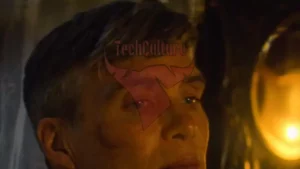
At the film’s core is David King, a recording mogul whose empire teeters on the brink of obsolescence. Through King’s struggle, Lee crafts a resonant metaphor for the existential tension between the tactile authenticity of analog artistry and the seductive efficiency of digital innovation. Washington’s portrayal is both regal and raw, embodying a man whose very identity is inextricably linked to the traditions of a musical past threatened by AI-driven disruption and commodified media trends.
Lee’s direction renders King’s Brooklyn penthouse as a living archive—a sanctuary of paintings, vinyl records, and cultural artifacts that stand in stark contrast to the ephemeral, homogenized textures of today’s digital music landscape. This attention to physical space and material culture is no mere exercise in nostalgia. Rather, it forms the emotional and ethical heart of the film, raising urgent questions about what is lost when culture is digitized, streamed, and repackaged for mass consumption.
Intergenerational Dialogue and the Commodification of Hip-Hop
The arrival of Yung Felon, a chart-topping rapper played by A$AP Rocky, injects a charged generational dynamic into the story. This isn’t just a clash of personalities—it’s a collision of value systems. Through Felon, Lee interrogates the current state of hip-hop, a genre he once celebrated as the vanguard of protest and empowerment. Now, he suggests, it stands perilously close to becoming a product, stripped of its rebellious roots and repurposed for algorithm-friendly virality.
This tension between King’s reverence for the past and Felon’s embrace of the present encapsulates a broader transformation within the music industry. The rapid-fire consumption of digital content, driven by market algorithms and data analytics, often comes at the expense of nuanced artistic heritage and community expression. It’s a dynamic that business leaders and industry observers would do well to scrutinize, as it mirrors similar disruptions across creative sectors worldwide.
The Economics of Legacy: Product Placement and Regulatory Dilemmas
Yet, even as Lee’s film champions the preservation of cultural authenticity, it cannot escape the gravitational pull of modern commerce. Critics have been quick to point out the film’s conspicuous product placements—visual reminders of the economic realities facing contemporary filmmakers. These moments of commercial intrusion are not accidental; they serve as commentary on the omnipresence of sponsorship and the blurring lines between art and advertising.
Such choices raise pressing regulatory and ethical questions: In a landscape dominated by data-driven advertising and branded content, how can creators safeguard the integrity of their narratives? Where does the responsibility lie to protect cultural heritage from market dilution, and what frameworks are needed to balance artistic freedom with economic viability?
Cultural Preservation in the Age of AI
“Highest 2 Lowest” ultimately emerges as both a critique and a call to action. Lee’s vision extends beyond the silver screen, urging business leaders, policymakers, and cultural stewards to reckon with the sustainability of artistic legacies in a world where technology is both a tool and a threat. The film’s emotional resonance lies in its refusal to offer easy answers. Instead, it invites viewers to grapple with the complexities of curation, valuation, and transmission of culture—tasks that grow ever more challenging as AI and digital media continue to redefine the boundaries of creativity.
In its exploration of these themes, Lee’s film becomes a vital touchstone for ongoing debates at the intersection of business, technology, and the arts. It is a cinematic reminder that as we race toward the future, the question of what we choose to preserve—and how we choose to preserve it—may prove to be the most consequential legacy of all.