Spain Defies U.S. Trade Threats on Iran, Signaling New Era of Ethical Diplomacy and EU Unity
 Staff Editor
 Spain’s Defiance and the New Geopolitics: When Ethics Challenge Economic Leverage
The spectacle unfolding between Spanish Prime Minister Pedro Sánchez and former U.S. President Donald Trump is more than a diplomatic skirmish—it is a vivid tableau of the shifting tectonics in global power, trade, and ethical governance. As the world’s established alliances are tested by new realities, Spain’s refusal to yield to U.S. threats over military action against Iran is a bellwether for a broader recalibration: one that places sovereignty, principled diplomacy, and economic resilience at the heart of international affairs.
Trade Threats and the Fragility of Global Markets
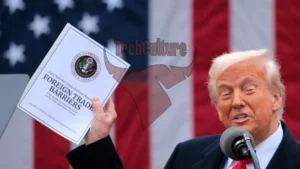
Trump’s threat to sever trade ties with Spain, in retaliation for its refusal to support U.S. military objectives, was not merely a rhetorical flourish. It was a calculated move in the ongoing chess game of international relations, leveraging economic might as a tool of coercion. Yet, Sánchez’s response—invoking the perilous metaphor of “playing Russian roulette” with millions of lives—laid bare the profound risks of conflating military adventurism with economic blackmail.
For global markets, this episode serves as a stark reminder of their inherent vulnerability to political disruption. Trade regimes and economic alliances, painstakingly constructed to buffer against volatility, can be swiftly undermined by unilateral threats. Spain’s defiance, and the emphatic support it received from the European Commission, signals a maturing resolve among EU member states: threats against one are threats against all. This collective stance is not just about solidarity; it is a strategic recalibration, aimed at insulating the European market from external shocks and fortifying the continent’s economic sovereignty.
The Ethics of Statecraft in an Interconnected World
At the core of Spain’s position is a challenge to the primacy of realpolitik—a call to elevate ethical considerations above the expediencies of power politics. Sánchez’s refusal to trade citizens’ well-being for fleeting diplomatic gains is a pointed critique of the transactional approach that has long dominated international relations. In a world where the boundaries between commerce, security, and human rights are increasingly blurred, this stance is more than symbolic. It is a blueprint for a new kind of leadership, one that recognizes the long-term costs of sacrificing principle for profit.
This philosophical divergence is mirrored in debates over defense spending. Trump’s demand that Spain boost its military budget to 5% of GDP reflects an enduring faith in hard power. Yet, Sánchez’s reticence underscores a growing European conviction that security is as much about stability, dialogue, and shared values as it is about military hardware. The emerging model privileges measured, principled contributions—anchored in multilateralism and ethical responsibility—over unchecked escalation.
Policy Shifts and the Future of International Alliances
The implications of this standoff extend far beyond the immediate players. As state-backed interference in trade and military logistics becomes more common—especially in a digital era defined by borderless data flows—nations are compelled to rethink how they align economic interests with security imperatives. The episode hints at a future where multinational organizations like NATO must reconcile divergent strategic priorities among their members, balancing calls for increased defense spending with the need for cohesive, values-driven action.
Moreover, the Spanish response highlights the increasing importance of regulatory agility. As global supply chains become more complex and interdependent, the ability to absorb shocks—whether from political brinkmanship or cyber disruptions—will define the resilience of both economies and alliances. The European Union’s unified support for Spain is an early signal of this adaptive posture, one that prioritizes collective security and economic stability over unilateral advantage.
A New Chapter for Global Leadership
In the evolving landscape of international politics, the confrontation between Spain and the U.S. is more than a bilateral dispute—it is a microcosm of the dilemmas facing global leaders. The interplay of ethics, economics, and power is being rewritten in real time, with national interests increasingly weighed against the imperatives of global responsibility. As alliances are reimagined and the boundaries of statecraft are redrawn, Spain’s principled stand offers a compelling vision for the future: a world where values, not just interests, shape the contours of global order.