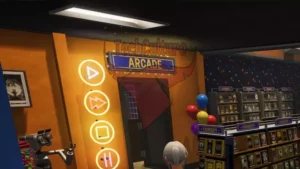
Retro Rewind: Indie 90s Video Rental Simulation Hits 100K+ Steam Sales, Sparking Nostalgia and Indie Gaming Revival
 Staff Editor
 Nostalgia in the Digital Age: How “Retro Rewind” Became a Cultural Touchstone
In a world dominated by relentless technological progress and algorithmic precision, the unexpected success of “Retro Rewind”—an indie simulation game set in a lovingly recreated 1990s video rental store—offers a poignant counterpoint. This digital homage to analog culture has sold over 100,000 copies on Steam within its first week, signaling not just a commercial triumph but a deeper, collective yearning for authenticity in an era often defined by abstraction and complexity.
The Allure of Analog: Why Simplicity Resonates
At its core, “Retro Rewind” is more than a whimsical escape into VHS tapes and fluorescent-lit aisles; it embodies a profound desire to reconnect with tactile, multi-sensory experiences. The game’s painstaking attention to detail—from the sound of tapes rewinding to the ritual of organizing shelves—evokes a time when interactions were tangible and technology felt approachable. This nostalgia is not mere sentimentality; it is a subtle act of resistance against the relentless pace and opacity of today’s digital ecosystem.
Amid anxieties about AI-driven job displacement and the overwhelming influx of data, “Retro Rewind” offers a sanctuary of predictability and calm. Its simulation of managing a humble retail space contrasts sharply with the volatility of modern digital life, inviting players to relish the value of slow, meaningful engagement over frictionless efficiency. The game’s success underscores a broader cultural truth: in the face of accelerating change, the familiar rhythms of the past can serve as both comfort and compass.
Indie Disruption and the Democratization of Gaming
The rise of “Retro Rewind” also speaks to the shifting power dynamics within the gaming industry. Priced at just fourteen dollars and developed by a two-person team from France, the game challenges the dominance of blockbuster franchises and their data-driven monetization strategies. Indie projects like this are more than just commercial outliers; they represent a form of creative resistance, privileging narrative depth and artisanal design over formulaic spectacle.
This democratization of game development has profound implications for the industry’s future. As major studios increasingly rely on algorithms and microtransactions, indie titles remind us of the enduring appeal of games as cultural artifacts—spaces for storytelling, experimentation, and ethical reflection. “Retro Rewind” exemplifies how small teams, unburdened by corporate mandates, can craft experiences that resonate globally while staying rooted in local histories and sensibilities.
Cultural Memory and the Power of Soft Influence
The international acclaim garnered by “Retro Rewind” highlights the growing significance of cultural products as instruments of soft power. By centering its narrative in a distinctly French context yet achieving worldwide relevance, the game demonstrates how local stories can foster global empathy and dialogue. In an era when global media trends risk homogenizing cultural expression, such projects inject much-needed diversity and nuance into the conversation.
Critics have noted the game’s limited exploration of broader 1990s culture, such as its sparse references to period music or fashion. Yet, this focused approach may be intentional: an invitation to meditate on the everyday rituals that defined a generation, rather than a nostalgic checklist. Even its playful nods to the adult video market—through absurd, tongue-in-cheek movie titles—serve as wry commentary on the era’s complexities, blending humor with subtle critique.
Digital Pampering, Ethical Reflection, and the Search for Meaning
Perhaps the most enduring legacy of “Retro Rewind” lies in its quiet challenge to prevailing assumptions about progress. In a digital landscape obsessed with innovation and scale, the game offers a gentle reminder that meaning is often found in the modest and the familiar. It asks whether our technologies can do more than optimize and disrupt—whether they can also soothe, connect, and preserve.
As the world stands at the crossroads of economic uncertainty and technological upheaval, the runaway success of “Retro Rewind” is a testament to the enduring human need for continuity and comfort. It is a digital artifact that bridges past and present, offering not just a retreat from complexity, but a blueprint for how technology might serve our deeper emotional and cultural needs in the years ahead.