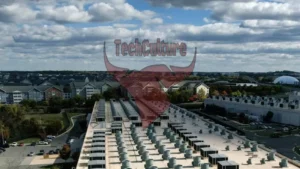
Over 230 Environmental Groups Demand U.S. Moratorium on Datacenter Growth Over Energy and Water Concerns
 Staff Editor
 Datacenters at a Crossroads: The Clash of Digital Ambition and Environmental Reality
The digital revolution has brought with it a paradox: the very infrastructure powering our leap into the future is now under scrutiny for threatening the planet’s sustainability. The recent coalition of over 230 environmental organizations, including industry heavyweights like Greenpeace and Friends of the Earth, demanding a national halt to new datacenter construction in the United States, marks a watershed moment in the ongoing debate over technology, energy policy, and climate responsibility. This movement is not merely a policy skirmish—it is a signal flare for the tech sector, investors, and policymakers alike.
The Hidden Costs of Digital Infrastructure
Datacenters have long been the silent engines of our digital age. From streaming services and cloud storage to the relentless advance of artificial intelligence and cryptocurrency mining, their vast server farms underpin nearly every facet of modern life. Yet, their rapid proliferation has come at a steep cost. The immense energy required to power and cool these facilities has transformed datacenters from invisible utilities into visible contributors to carbon emissions and climate risk.
The environmental impact is not confined to carbon footprints alone. In water-stressed regions, datacenter cooling systems can consume millions of gallons annually, straining already scarce resources and igniting tensions with local communities. This dual threat—escalating emissions and water insecurity—has galvanized environmental advocacy and prompted a re-examination of the true price of digital convenience.
The Investment Equation: Risk, Responsibility, and Innovation
For investors and enterprises, these developments are not just ethical dilemmas—they are material risks. As public awareness grows, so does the scrutiny of companies reliant on datacenter infrastructure. The financial calculus is shifting: profitability is now being weighed against long-term sustainability, regulatory risk, and social license to operate. The specter of a national moratorium injects new urgency into boardrooms, where executives must now contend with the possibility of stranded assets, shifting capital flows, and the imperative to innovate.
This moment of reckoning could catalyze a new wave of investment in energy-efficient hardware, sustainable cooling technologies, and renewable integration. Forward-thinking firms are already exploring alternatives—liquid cooling, AI-driven energy optimization, and on-site renewable generation—to future-proof their operations. The market’s response to these pressures will shape not only the trajectory of the tech sector but also the broader contours of responsible capitalism in the digital era.
Political Reverberations and the Ethics of Growth
The debate is not confined to boardrooms and environmental conferences. Rising energy bills have made the cost of datacenter expansion a kitchen-table issue in many American communities. In states like Virginia and New Jersey, political candidates have seized on the public’s frustration with soaring electricity costs, linking them directly to the unchecked growth of energy-intensive tech infrastructure. This groundswell of bipartisan concern reveals a critical truth: when technological progress collides with everyday economic realities, voters demand accountability.
Beyond the politics and economics lies a deeper ethical quandary. The datacenter controversy forces a confrontation with questions of intergenerational justice and global equity. How do we reconcile the promise of digital innovation with the responsibility to safeguard the environment for future generations? As nations race to dominate the AI and digital economy, the temptation to sideline environmental safeguards grows. Only robust international cooperation and clear regulatory frameworks can ensure that the pursuit of technological leadership does not come at the expense of planetary health.
Towards a Sustainable Digital Future
The call for a moratorium on new datacenters is more than a reactionary stance; it is a profound challenge to the status quo. It asks whether we can reimagine the architecture of our digital future—one that harmonizes technological ambition with environmental stewardship and social responsibility. The path forward demands agility from regulators, ingenuity from technologists, and vision from business leaders. As the world stands at this crossroads, the choices made today will echo through the data streams—and the ecosystems—of tomorrow.