Oscar Nominees Luncheon: Del Toro & Anderson’s Playful Tribute to Kubrick Sparks Debate on Originality and IP
 Staff Editor
 Artistry in Conversation: The Enduring Influence of Kubrick at the Oscar Nominees Luncheon
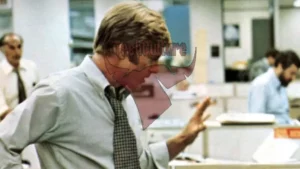
As the world’s cinematic elite gathered at the recent Oscar nominees luncheon, a seemingly whimsical moment between directors Guillermo del Toro and Paul Thomas Anderson quietly resonated with layers of meaning. Their playful reenactment of the infamous “jazz hands” finale from Stanley Kubrick’s The Shining was more than an inside joke for cinephiles—it was a living testament to the intricate dance between film history and modern creative innovation. For business and technology leaders attuned to the pulse of cultural evolution, this episode offers a compelling lens through which to examine the shifting boundaries of homage, reinvention, and intellectual property in the digital age.
The Jazz Hands That Echo Through Time
Kubrick’s original The Shining ending—an enigmatic photograph with Jack Nicholson’s face superimposed on a reveler at a 1921 ballroom—has long haunted film scholars and audiences alike. By echoing this moment, del Toro and Anderson were not merely indulging in nostalgia. They were, in effect, participating in a centuries-old tradition: the reinterpretation and recontextualization of iconic works. Kubrick’s own manipulation of a historical image—replacing the visage of Santos Casani with Nicholson’s—was a provocative act that blurred the lines between authenticity and artistic license. In this gesture, he anticipated debates that now define creative industries: What constitutes originality? Where do homage and appropriation diverge?
The luncheon reenactment thus becomes a microcosm of a larger phenomenon. In today’s media-saturated landscape, the boundaries between past and present, homage and parody, are more porous than ever. Directors like del Toro and Anderson, known for their distinctive voices, are also fluent in the visual and narrative languages of their predecessors. Their homage is not mere mimicry; it is a sophisticated dialogue—a recognition that modern artistry is built upon foundations both revered and reimagined.
Intergenerational Dialogue and the Ethics of Reinvention
This interplay between heritage and innovation is not limited to artistic circles. It has profound implications for the business of film and the stewardship of cultural legacy. Kubrick’s manipulation of archival imagery set an early precedent for the ethical dilemmas now magnified by digital technologies. Today, with AI-powered editing tools and image synthesis, the ease of transforming existing content has reached unprecedented heights. The tension between creative freedom and the sanctity of original works is no longer an abstract debate; it is a daily operational reality for studios, streaming platforms, and rights holders.
Del Toro and Anderson’s lighthearted nod to Kubrick is, in this context, a reminder of the responsibilities that come with creative power. As the industry grapples with questions around deepfakes, digital resurrection of deceased actors, and the monetization of legacy IP, the ethical frameworks established by past innovators are being stress-tested. How do we honor the spirit of homage without crossing into exploitation? Where does reinterpretation end and appropriation begin?
The Commercial Stakes of Cultural Memory
The business dimension of this cultural dialogue is impossible to ignore. Media conglomerates are investing billions in intellectual property with established fanbases, betting that nostalgia and brand recognition can drive engagement in an era of content abundance. The distinction between original creation and repurposed material is more than an academic concern; it shapes market strategies, licensing agreements, and regulatory debates.
The Oscar luncheon vignette, then, is not just a charming anecdote—it is a flashpoint in the ongoing negotiation between preservation and reinvention. As technology accelerates the pace of creative transformation, the industry’s leaders must balance reverence for artistic heritage with the imperative to innovate. The legacy of Kubrick’s The Shining, filtered through the contemporary sensibilities of del Toro and Anderson, becomes a metaphor for this balancing act—a reminder that the future of film will be forged in the crucible of dialogue between past and present.
Ultimately, the enduring power of cinematic icons lies in their capacity to inspire new conversations—across generations, genres, and even technologies. The jazz hands may have been playful, but the questions they raise will shape the business and artistry of film for years to come.