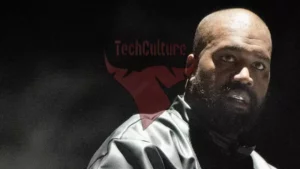
Offset Shooting Outside Florida Casino Sparks Urgent Calls for Enhanced Celebrity Security and Nightlife Safety
 Staff Editor
 Celebrity, Security, and the High-Stakes Gamble: Offset’s Shooting and the Business of Urban Nightlife
The recent shooting of Offset, the influential hip-hop artist and former Migos member, outside a prestigious Florida casino has sent ripples far beyond the world of celebrity news. This violent episode, unfolding at the intersection of glamour and danger, crystallizes enduring tensions between celebrity culture, public safety, and the economics of urban entertainment. For business and technology leaders, the incident is not just a headline—it’s a case study in the complex dynamics shaping the future of hospitality, entertainment, and risk management.
The Perilous Edge of Celebrity Culture
Offset’s hospitalization is not merely a personal tragedy or a momentary disruption for fans; it lays bare the volatile environment that high-profile artists must navigate. The setting—a luxury casino and entertainment venue—should have been a sanctuary of exclusivity and security. Instead, it became a stage for violence, exposing the fragile boundaries between spectacle and risk that increasingly define the nightlife economy.
Law enforcement’s immediate response, including detaining individuals for both the shooting and unrelated disorderly conduct, highlights the layered challenges faced by police in celebrity-driven contexts. The convergence of fame, high-value venues, and large crowds creates a volatile cocktail, complicating traditional security protocols and demanding a more nuanced regulatory approach. The incident underscores a growing need for hospitality operators and event organizers to rethink their security frameworks, integrating advanced risk analytics and closer collaboration with municipal authorities.
Economic Reverberations and Market Realities
For the Seminole Hard Rock hotel and casino, the reputational fallout is not trivial. High-profile violence can swiftly erode consumer confidence, prompting calls for visible investments in security and crisis management. Insurers and investors, too, are forced to recalibrate risk models, weighing the allure of celebrity events against the potential for costly disruptions.
This recalibration extends well beyond a single venue. The entertainment and hospitality sectors, already under pressure to provide immersive experiences, now face heightened scrutiny from regulators and the public alike. The market may respond with a surge in demand for next-generation surveillance technologies, AI-driven threat assessment systems, and more robust crowd control strategies. For business leaders, the imperative is clear: safety and profitability are no longer competing interests but intertwined priorities in an era where brand equity is inseparable from public trust.
Cultural Capital and the Ethics of Violence
Offset’s shooting also reignites long-standing debates about the role of violence in hip-hop and the broader responsibilities of cultural figures. The incident follows a troubling pattern, marked most poignantly by the fatal shooting of fellow Migos member Takeoff in 2022. These tragedies challenge the industry to confront uncomfortable questions about the narratives it amplifies and the real-world consequences for artists and audiences alike.
Media coverage of such events often walks a fine line between reporting and sensationalism, influencing public perception and, by extension, the regulatory climate. The glamorization of conflict within music and celebrity circles has societal costs, fueling both fascination and fear. For stakeholders across the creative and business spectrum, the moment calls for a recalibrated discourse—one that acknowledges the cultural power of hip-hop while advocating for systemic solutions to urban violence.
Rethinking Security, Accountability, and Collaboration
The Offset incident is a catalyst, compelling stakeholders to move beyond reactive measures toward a more integrated approach to urban security and event management. Record labels, venue operators, city planners, and technology innovators must work in concert, leveraging data-driven insights and community partnerships to protect both artists and patrons. This is not just a matter of compliance or optics; it is a strategic imperative for sustaining growth in an entertainment landscape where reputation, safety, and innovation are inextricably linked.
As the investigation continues and the industry takes stock, the lessons from this high-profile shooting will shape the next generation of policies, technologies, and cultural norms. For those at the nexus of business, technology, and culture, the challenge—and the opportunity—lies in forging a future where creativity can flourish without fear, and where the allure of celebrity is matched by a genuine commitment to public safety.