Middle East Tensions and US-Iran Peace Rumors Trigger Global Market Volatility and Supply Chain Risks
 Staff Editor
 Geopolitics and the Global Marketplace: Navigating the Ripple Effects of Middle East Tensions
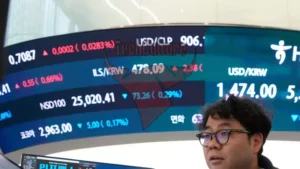
The world’s economic pulse often beats in rhythm with the shifting sands of geopolitics, and nowhere is this more apparent than in the latest developments surrounding the Middle East. The emergence of a rumored 15-point peace framework, allegedly proposed by the United States to Iran, has cast a brief but telling light on the fragile intersection of diplomacy, trade, and investor sentiment. Even in the absence of concrete details, the mere suggestion of de-escalation has been enough to send tremors through financial markets, underscoring the profound influence of political signals on global commerce.
The Strait of Hormuz: Energy Security on a Knife-Edge
At the heart of this unfolding drama lies the Strait of Hormuz, a narrow maritime corridor through which a significant share of the world’s oil supply flows. Iran’s recent decision to allow “non-hostile” vessels safe passage marks a tactical shift—one that has momentarily eased fears of a major supply disruption. This move, interpreted by many as a strategic gesture toward regional stability, triggered an immediate reaction: oil prices slid by 4%, with Brent crude dipping below the psychologically important $100 per barrel mark.
Yet, the subsequent rebound of oil prices to just above $100, amid ongoing uncertainty and conflicting reports about U.S.-Iran negotiations, highlights the volatility of markets tethered to geopolitical developments. The episode serves as a vivid reminder that energy markets remain acutely sensitive to even the faintest hint of political risk, and that policy maneuvers—no matter how tentative—can have outsized effects on global pricing structures.
Supply Chains Under Strain: Fertilizer, Food Security, and the Domino Effect
The reverberations of restricted vessel traffic through the Strait of Hormuz extend far beyond the oil sector. On a recent day, only four ships were recorded passing through these critical waters—a historic low that has sent ripples across global supply chains. Among the most vulnerable commodities is fertilizer, nearly a third of which transits the Strait en route to agricultural markets worldwide.
Disruptions in fertilizer shipments threaten to upend the delicate equilibrium of food production, with the specter of price hikes and diminished harvests looming over both developed and developing economies. The World Trade Organization has sounded the alarm: any choke point in such a vital link can spark cascading consequences, from increased food prices to heightened food insecurity. This scenario illustrates the intricate web of dependencies that define the modern global economy, where a bottleneck in one region can ignite a chain reaction with worldwide implications.
Rethinking Safe Havens: Gold’s Unsettling Descent and Inflationary Fears
Traditionally, periods of geopolitical upheaval have seen investors flock to gold as a safe haven. But the current climate tells a different story. Gold prices have fallen by approximately 13% since the onset of the latest Middle East tensions, challenging long-held assumptions about the metal’s role as a crisis hedge. This decline suggests that in a world awash with contradictory signals and heightened uncertainty, even the most reliable refuges can lose their appeal.
Meanwhile, the specter of runaway oil prices remains ever-present. BlackRock CEO Larry Fink’s warning that a protracted conflict could drive oil to $150 per barrel is not mere hyperbole. Such a surge would risk fueling inflation, destabilizing economies, and potentially tipping the world into recession—a scenario that would test the resilience of markets and policymakers alike.
Ethical Imperatives and Strategic Foresight in a Connected World
The convergence of economic, political, and ethical challenges at this geopolitical crossroads demands a more nuanced approach from both governments and corporations. Decisions made in the corridors of power and boardrooms have the potential to reverberate across continents, affecting everything from food security to financial stability. The question is not just how to manage immediate risks, but how to build more resilient systems that can withstand the unpredictable tides of global politics.
As the world watches for signs of lasting peace or renewed tension, the events unfolding in the Middle East serve as a powerful case study in the interconnectedness of modern commerce. The stakes—economic, ethical, and human—could hardly be higher. The path ahead will require vigilance, adaptability, and a renewed commitment to safeguarding the complex networks that underpin global prosperity.