Mark Hoppus Shares Cancer Battle, NFT Art Challenges & Digital Age Insights for Creatives and Tech Leaders
 Staff Editor
 Mark Hoppus: Art, Adversity, and the Digital Crossroads of Modern Celebrity
Mark Hoppus, best known as the irreverent yet introspective frontman of Blink-182, has never shied away from baring his soul. Yet his latest revelations—spanning the harrowing realities of cancer, the precariousness of art ownership, and the fractious state of public discourse—strike a chord far beyond the realm of pop-punk nostalgia. In a world where technology, culture, and politics collide with increasing velocity, Hoppus’ candor offers a rare vantage on the challenges and opportunities facing creative leaders and the industries that orbit them.
The Art of Survival: Vulnerability Meets Public Influence
At the center of Hoppus’ narrative is a deeply human struggle: the battle with cancer. His unsparing account of chemotherapy—likening the ordeal to being “crushed” and “on fire”—transcends the usual celebrity confession. It becomes an allegory for the broader societal experience of navigating adversity in a system often marked by fragmentation and inequity. For business and technology leaders, Hoppus’ journey underscores the importance of resilience—both personal and institutional—at a time when the healthcare sector faces unprecedented scrutiny over regulatory practices, digital ethics, and access to care.
Yet Hoppus’ response goes beyond survival. His commitment to advancing haematology oncology research through charitable action is a blueprint for how high-profile figures can leverage their platforms for systemic impact. In an era where influencer culture often stops at the surface, Hoppus demonstrates that authentic advocacy can bridge the gap between celebrity and substantive change, galvanizing public attention toward urgent societal needs.
Art Markets, Digital Security, and the New Value Equation
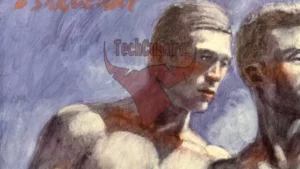
Hoppus’ decision to part with a prized Banksy piece—spurred by concerns for personal safety—casts a spotlight on the evolving intersection of art, technology, and security. As the boundaries between physical and digital assets blur, the art world finds itself at a crossroads. The proliferation of NFTs, blockchain authentication, and online marketplaces has democratized access to art investment, but has also introduced new vectors of risk, from cyber theft to regulatory uncertainty.
For investors and technologists, Hoppus’ experience is a cautionary tale and a catalyst for innovation. The imperative to protect cultural assets—whether on a gallery wall or a digital ledger—demands robust security protocols and adaptive legal frameworks. As geopolitical volatility and digital transformation reshape traditional markets, the art world must reckon with a future where provenance, ownership, and safety are inseparable from technological fluency.
The Media Labyrinth: Navigating Polarization and Public Trust
If Hoppus’ reflections on art and illness are intimate, his critique of the modern media landscape is unflinching. He laments the rise of clickbait and the erosion of balanced discourse, a phenomenon amplified by algorithmic curation and the relentless churn of digital news cycles. The consequences are profound: echo chambers flourish, public trust erodes, and the very notion of informed citizenship comes under threat.
For technology companies, publishers, and policymakers, this signals an urgent need for media literacy initiatives and renewed accountability. Hoppus’ global perspective—shaped by encounters with politically charged conversations from Sydney to Los Angeles—reinforces the reality that the United States remains a gravitational center in the global information ecosystem. The challenge, then, is not only to foster more nuanced dialogue, but also to design platforms that reward substance over spectacle.
Creative Networks and the Power of Community
Beneath these headline themes runs a quieter story: the formative power of creative communities. Hoppus’ recollections of finding solace in skateboarding and music on a military base speak to the enduring ability of culture—amplified by technology—to forge connections across divides. As remote work, digital collaboration, and virtual fandoms become the norm, these networks offer a template for resilience and belonging in an increasingly fragmented world.
With the forthcoming release of his memoir, Fahrenheit-182, and a slate of international speaking engagements, Hoppus is poised to deepen the conversation at the intersection of art, adversity, and innovation. His story is a reminder that the digital age, for all its volatility, remains fundamentally human—a tapestry of vulnerability, creativity, and the relentless pursuit of meaning in a world forever on the move.