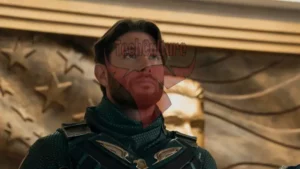
Love Story: John F. Kennedy Jr. & Carolyn Bessette – Streaming Now | Exploring Kennedy Legacy & Storytelling Ethics
 Staff Editor
 American Mythos in the Streaming Age: The Kennedy Legacy, Commerce, and the Ethics of Storytelling
Few American families have been as mythologized or as relentlessly scrutinized as the Kennedys. With the debut of “Love Story: John F Kennedy Jr & Carolyn Bessette,” streaming audiences are once again invited to peer behind the velvet ropes of a political dynasty—this time, through the lens of intimate drama and personal tragedy. Yet beneath the surface of romance and nostalgia, the series offers a pointed meditation on the commodification of legacy, the ethics of narrative ownership, and the evolving business of cultural storytelling.
The Kennedy Brand: Promise, Sacrifice, and the Burden of Inheritance
The Kennedy name has long stood as a cipher for American aspiration and heartbreak. John F. Kennedy Jr., cast by history as the embodiment of unfulfilled potential, represents more than just a celebrity scion; he is a vessel for the nation’s collective yearning and disappointment. The mini-series, adapted from Elizabeth Beller’s bestselling account, artfully subverts the glossy legend. Instead, it delivers a nuanced portrayal of a man caught between the gravitational pull of his family’s legacy and the crushing expectations of public life.
Carolyn Bessette emerges as more than a supporting figure—she is rendered as a dynamic, modern individual, whose professional acumen and enigmatic presence challenge the reductionist tropes often assigned to women in dynastic narratives. Their relationship, fraught with both tenderness and tension, becomes a microcosm of the larger struggle between public myth and private reality. The series thus functions as a kind of cultural Rorschach test, inviting viewers to question not just what we remember, but how—and why—those memories are curated and commodified.
Monetizing Tragedy: The Morality of Legacy as Content
No contemporary dramatization of the Kennedys is complete without controversy. Jack Schlossberg’s public criticism of the series’ commercial motives underscores a familiar dilemma in the business of storytelling: Where does homage end and exploitation begin? In an era when streaming platforms are locked in a relentless arms race for exclusive, emotionally resonant content, the line between respectful tribute and opportunistic profit can blur with alarming ease.
This tension is not unique to the entertainment industry. Across sectors, brands are increasingly grappling with the ethics of leveraging personal or historical narratives for commercial gain. The Kennedy family’s discomfort with the series serves as a timely reminder that every act of storytelling carries a moral footprint. The calculus of audience engagement, market share, and cultural relevance must now contend with deeper questions of consent, representation, and the stewardship of collective memory.
Streaming, Globalization, and the Battle for Historical Narrative
The international rollout of “Love Story: John F Kennedy Jr & Carolyn Bessette” on Hulu, Disney+, and other platforms is emblematic of a broader shift in the way stories are produced, distributed, and consumed. Streaming services, with their global reach and data-driven programming, have become the new custodians of cultural heritage. Their investments in politically charged, emotionally complex content are not just about entertainment—they are strategic moves in the high-stakes game of brand differentiation and audience loyalty.
Yet this new model brings heightened responsibility. In a digital landscape where fact and fiction intermingle seamlessly, the dramatization of historical events wields enormous influence over public perception. Media producers must now navigate a fraught landscape, balancing creative license with the imperative to safeguard historical integrity. The stakes are high: in the absence of ethical guardrails, the very notion of truth risks becoming another casualty of the attention economy.
The Enduring Power—and Peril—of American Legend
“Love Story: John F Kennedy Jr & Carolyn Bessette” is more than a tale of love and loss; it is a case study in the complexities of legacy in the digital age. As business and technology leaders chart the future of content, the series stands as both a cautionary tale and a testament to the enduring allure of American mythos. In the collision of celebrity, commerce, and cultural memory, the question remains: Who owns the story—and at what cost?