London’s Wireless Festival Cancelled After UK Bans Ye: Impact on Hate Speech Policies and Cultural Inclusion
 Staff Editor
 Celebrity Culture Meets Public Policy: The Wireless Festival’s Cancellation and the New Social Contract
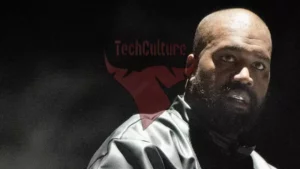
The abrupt cancellation of London’s Wireless music festival, following UK authorities’ decision to bar Ye (formerly Kanye West) from entering the country, marks a pivotal moment at the crossroads of celebrity, regulation, and societal values. Far more than a headline-grabbing incident, this episode reveals the intricate web of forces shaping the modern public sphere—where digital amplification, ethical imperatives, and market realities intersect with unprecedented intensity.
Regulatory Resolve in the Age of Amplification
The United Kingdom’s move to deny Ye’s travel authorization is a telling demonstration of regulatory agility in a hyper-connected era. Rather than a blunt instrument of censorship, the Home Office’s intervention signals a nuanced but firm commitment to communal harmony and the curbing of hate speech, particularly antisemitism. In a landscape where social media can magnify divisive rhetoric in real time, such decisions reflect a broader willingness among policymakers to weave ethical considerations into the fabric of governance.
This regulatory posture carries a dual message: domestically, it reassures a public increasingly attuned to the dangers of extremist ideologies; internationally, it sets a precedent for how nations might navigate the global flow of cultural figures whose actions and words reverberate far beyond their immediate audiences. The United Kingdom’s stance is not merely reactive but emblematic of a proactive approach to safeguarding the integrity of public discourse, where the boundaries of free expression are constantly renegotiated in light of collective well-being.
Market Dynamics and the Ethics of Booking
For event organizers and the wider entertainment industry, the fallout from the Wireless festival’s cancellation is both cautionary and catalytic. Festivals are not just cultural touchstones; they are economic engines, reliant on the draw of headline acts and the trust of diverse audiences. The sudden loss of a marquee performer like Ye introduces immediate operational and financial turbulence, from disrupted schedules to potential contractual disputes.
Yet, the deeper challenge lies in the recalibration of risk management. The calculus of talent booking now extends well beyond artistic merit or commercial appeal. Organizers must weigh the reputational risks of associating with controversial figures against the imperatives of social responsibility and ethical branding. In a marketplace where consumer consciousness around social issues is rising, the future of public events will likely hinge on the ability to harmonize creative ambition with principled stewardship—a shift that could redefine industry standards for years to come.
Cultural Diplomacy and the Politics of Inclusion
The Wireless episode is not an isolated occurrence. The UK’s prior decisions to restrict entry to artists such as Snoop Dogg and Tyler, the Creator reflect a broader geopolitical trend: the recognition that cultural products and personalities are inseparable from their ideological and political contexts. Cultural diplomacy now extends to the curation of who is allowed to participate in a nation’s public life, with profound implications for international exchange.
This evolving paradigm raises pressing questions about the permeability of borders—not just physical, but cultural and ideological. As governments grapple with the complexities of imported narratives and their potential impact on social cohesion, the boundaries of cultural inclusion are being redrawn, often in real time and under intense public scrutiny.
Accountability, Forgiveness, and the Creative Sphere
At its heart, the Wireless festival’s cancellation is also an ethical reckoning. Ye’s public apologies and references to his struggles with bipolar disorder complicate the narrative, prompting society to weigh the tension between compassion and accountability. The episode forces a collective introspection: How should we balance the redemptive possibilities of personal growth with the imperative to prevent harm? What responsibilities do artists—and those who platform them—bear in an era where words can ignite global controversy within minutes?
The answers are neither simple nor static. As the boundaries between the digital and physical public square dissolve, the dialogue around inclusiveness, ethical leadership, and the stewardship of creativity will only grow more urgent. The Wireless festival’s fate, then, is more than a casualty of controversy; it is a signpost for a society in the midst of renegotiating its social contract—one where the stakes for business, technology, and culture have never been higher.