Leon Thomas: Grammy Winner Redefining R&B with Soulful Innovation and Live Musicianship
 Staff Editor
 Leon Thomas and the New Blueprint for R&B: Innovation, Authenticity, and the Future of Music
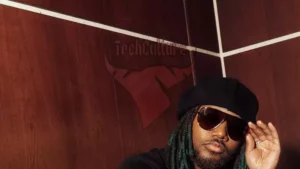
Leon Thomas’s ascent to the upper echelons of the music industry—punctuated by his recent Grammy wins for Best R&B Album and Best Traditional R&B Performance—embodies more than personal triumph. It signals a profound transformation within the business and creative landscapes of music, illuminating the shifting expectations for artists, audiences, and industry stakeholders alike. Thomas’s journey from acclaimed producer to boundary-pushing solo artist serves as a prism through which the evolving dynamics of genre, authenticity, and market strategy can be understood.
Genre Fluidity and the Renaissance of Live Musicianship
Thomas’s breakout single, “Mutt,” stands as a manifesto for the new era of genre fluidity. By weaving together the soulful undercurrents of traditional R&B with the raw energy of rock and the expansive textures of psychedelia, Thomas defies the compartmentalization that has long defined industry marketing and playlist algorithms. This willingness to blur boundaries is not merely an aesthetic choice—it’s a strategic response to a marketplace increasingly hungry for novelty and depth.
In an age where streaming platforms have commoditized music consumption, often stripping songs of their context and history, Thomas’s emphasis on live musicianship is a pointed countertrend. His performances, notably at Coachella where he received a symbolic nod from funk legend George Clinton, are both homage and provocation. They evoke the virtuosity of past eras while asserting a contemporary relevance, appealing to both nostalgic listeners and a digitally native audience seeking authenticity. This revival of instrumental artistry is more than a stylistic flourish; it’s a reclaiming of music’s narrative power and a signal to the industry that substance can coexist with commercial viability.
Reinvention, Identity, and the Cross-Media Artist
The arc of Thomas’s career—spanning child stardom on Broadway and Nickelodeon, mentorship under Babyface, and now solo innovation—reflects a broader cultural shift toward reinvention as both a necessity and an asset. In today’s entertainment economy, where identity is fluid and personal branding is paramount, Thomas’s transformation from a youthful “doggie” persona to a mature, introspective artist is instructive. His albums “Electric Dusk” and the exploratory EP “Pholks” are not just musical statements but case studies in the art of self-reinvention.
This cross-media versatility is increasingly valuable in a world where artists are expected to be polymaths—actors, producers, songwriters, and storytellers. Thomas’s trajectory underscores how early exposure to diverse forms of performance art can foster a creative vision that is both adaptable and original. In doing so, he offers a template for artists navigating the tension between legacy images and the imperative to innovate.
Market Signals: Risk, Reward, and the Business of Evolution
Thomas’s success is already reshaping industry calculations. His ability to synthesize diverse influences and cultivate a narrative that resonates across generations is prompting record labels and streaming platforms to rethink their approach to artist development. The market is signaling a premium on risk-taking, with investors increasingly drawn to projects that promise both commercial endurance and artistic integrity.
This shift is not without its challenges. As the industry grapples with the complexities of intellectual property rights, digital distribution, and equitable compensation, Thomas’s journey from behind-the-scenes producer to headline artist spotlights the delicate balance between creative autonomy and corporate interests. His story raises urgent questions about how the music business can sustain genuine innovation in an era dominated by algorithms and viral trends.
Toward a Dynamic Future: Redefining the Artist’s Role
Leon Thomas is more than a headline—he is a harbinger of an industry in flux. His work disrupts static notions of genre, amplifies the call for authenticity, and models the courage required to experiment in a risk-averse marketplace. As Thomas embarks on European tours and continues to expand his influence, his trajectory promises to inspire a new generation of artists and executives alike to embrace reinvention, champion substance, and imagine a broader horizon for what music—and its creators—can be.