Jamie Lee Curtis Leads “Murder, She Wrote” Reboot: A Modern Twist on a Classic Mystery
 Staff Editor
 Jamie Lee Curtis and the Strategic Renaissance of “Murder, She Wrote”
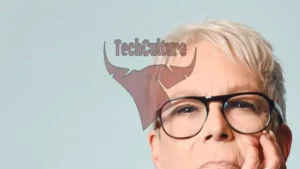
The entertainment industry thrives on reinvention, but rarely does a reboot spark as much anticipation—and nuanced debate—as the recent announcement of Jamie Lee Curtis stepping into the iconic role of Jessica Fletcher. This fresh iteration of “Murder, She Wrote” is not merely a nod to the past; it is a meticulously calculated move that intertwines nostalgia, modernity, and strategic business acumen, offering a window into the evolving dynamics of media, technology, and cultural power.
Casting as Catalyst: Bridging Generations and Expectations
Curtis’s selection is both a tribute and a tactical masterstroke. Her career, spanning decades and genres, embodies a rare blend of gravitas and contemporary relevance. By anchoring the reboot with such a figure, the studio aims to harmonize the emotional resonance of the original with the sensibilities of a new, diverse audience. The original series, led by Angela Lansbury, captivated millions with its genteel mysteries and its portrayal of small-town Americana—an image that became a subtle, yet profound, element of American soft power.
Now, with Curtis at the helm, the Jessica Fletcher character promises not just continuity but evolution. The reboot’s creative team—director Jason Moore and the writing duo behind “Dumb Money”—signal a sophisticated recalibration. Expect a narrative that is both brisk and deep, weaving in contemporary themes around resilience, intellectual labor, and the shifting contours of identity. This approach reflects a broader industry trend: the reimagining of legacy IPs to reflect the complexities and ambitions of the present, rather than simply reliving the past.
Legacy Media Meets Digital Ambition
The business implications of this reboot are as layered as the mysteries Fletcher herself unravels. Studios are increasingly mining their archives, but the “Murder, She Wrote” project stands out for its conscious balancing act. It is a case study in leveraging established intellectual property while embracing the storytelling and distribution opportunities of the digital era.
Production timelines stretching to 2027 underline the studio’s confidence in the enduring appeal of well-crafted narratives. The project is designed for a hybrid media landscape—one where theatrical releases and streaming platforms are no longer competing, but symbiotic. This dual-platform strategy maximizes reach and revenue, while the high-profile casting of Curtis challenges entrenched ageism in Hollywood. It sends a clear message: compelling stories transcend generational divides, and seasoned talent can anchor projects that resonate with both legacy viewers and digital natives.
Cultural Exports and Ethical Storytelling
Reboots are not just commercial gambits; they are also instruments of cultural diplomacy. The original “Murder, She Wrote” exported a vision of American life that was both idyllic and aspirational. Reviving this narrative with a modern lens allows the franchise to serve as a bridge—reaffirming American ingenuity and adaptability for global audiences. Yet, there is an ethical dimension at play. Angela Lansbury herself once cautioned against the careless dilution of iconic characters. The new creative team appears mindful of this, positioning the reboot as a respectful evolution rather than a mere commercial exploit.
This sensitivity is increasingly vital in an era where cultural legacies are under constant scrutiny. The challenge is to honor the spirit of the original while making space for new voices and perspectives. The reboot’s success will hinge not just on clever plotting or star power, but on its ability to reflect the values—and the anxieties—of a society in flux.
The Art of Reinvention in a Transforming Industry
The return of “Murder, She Wrote” encapsulates the entertainment sector’s appetite for renewal and its embrace of technological and cultural complexity. It is a testament to the power of strategic reinvention: a project that is as much about business innovation and brand stewardship as it is about storytelling. As Jamie Lee Curtis prepares to don Jessica Fletcher’s mantle, the industry—and its global audience—stand poised at the intersection of memory and possibility, ready to see how a beloved narrative can be reborn for a new era.