International Booker Prize 10th Anniversary: Celebrating Translation’s Impact on Global Literature and Cultural Exchange
 Staff Editor
 International Booker Prize at 10: Translation as Catalyst in the Global Literary Economy
As the International Booker Prize marks its tenth anniversary, the contours of global literature appear more dynamic—and more interconnected—than ever before. This year’s shortlist, a tapestry of six works translated into English from a spectrum of languages and cultural vantage points, does more than honor literary excellence. It crystallizes the transformative power of translation, not only as an art but as a driver of market innovation, creative exchange, and even diplomatic resonance within the global literary economy.
The Art and Economics of Cross-Cultural Storytelling
Each nominated work on the shortlist is a testament to the evolving relationship between literature and its international audiences. Daniel Kehlmann’s “The Director,” for instance, is more than a historical novel; it is a meditation on memory and power, refracted through the lens of filmmaker GW Pabst’s experience during Nazi Germany. The translation by Ross Benjamin is not a mere linguistic exercise, but a sophisticated act of cultural mediation—preserving the weight of history while making its complexities accessible and urgent for contemporary English-speaking readers.
This delicate negotiation between authenticity and adaptation is the hallmark of successful literary translation. It opens new commercial pathways for stories deeply rooted in local histories and identities, while ensuring their universal themes—such as the struggle for agency and the negotiation of memory—resonate across borders. The result is a market increasingly receptive to narratives that once might have seemed too particular, too distant, or too difficult to translate, both linguistically and emotionally.
Emerging Voices and the Diversification of Literary Markets
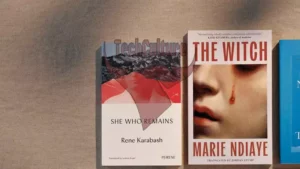
The shortlist’s inclusion of debut authors like Shida Bazyar and Rene Karabash signals a broader shift in the global storytelling landscape. Their works, shaped by the tumult of revolution and the constraints of patriarchal traditions, challenge the familiar contours of Western literary canons. Through translation, these new voices are not only aesthetically innovative; they are also strategically positioned to capture the attention of a global readership hungry for fresh perspectives.
Marie NDiaye’s “The Witch,” with its darkly comic interrogation of marginalization and resilience, exemplifies this trend. The English translation does not dilute the novel’s satirical edge; rather, it amplifies its capacity to unsettle and provoke. For publishers, such works represent more than artistic achievements—they are business opportunities in a literary market increasingly defined by its appetite for cultural diversity and narrative experimentation.
Valuing the Translator: Shifting Economic and Creative Paradigms
The International Booker Prize’s £50,000 purse, split equally between author and translator, is itself a statement on the shifting economics of the industry. Translation, long relegated to the periphery of literary prestige, is now recognized as a creative act on par with original authorship. This recalibration of value has implications far beyond the prize: it sets a precedent for equitable remuneration and signals to publishers the strategic importance of investing in translation rights.
As global publishers navigate the complexities of rights acquisition and market entry, the translator emerges as both gatekeeper and co-creator. Their role in conveying cultural nuance and narrative voice is now seen as central to the commercial success of international literature. This recognition could catalyze more competitive, vibrant markets for translated works, and encourage risk-taking in the acquisition and promotion of non-English narratives.
Literature as Soft Power: Cultural Diplomacy in a Fragmented World
The International Booker Prize is more than a literary accolade—it is a beacon of cultural diplomacy at a time when geopolitical tensions threaten to narrow the scope of cross-cultural understanding. The diversity of this year’s shortlist, and the multidisciplinary makeup of its judging panel, mirrors a broader intellectual movement: one that values the intersection of artistic, mathematical, and linguistic expertise in navigating the complexities of modern identity.
Through its celebration of translation and narrative diversity, the Prize reinforces literature’s enduring role as a bridge between worlds. It reminds us that the most resonant stories are those that transcend linguistic and cultural boundaries, fostering dialogue, empathy, and a richer global imagination. As the literary economy continues to evolve, the International Booker Prize stands as both a barometer and a catalyst—charting new directions in the business, art, and diplomacy of storytelling.