Indie Horror Game “Horses” Sparks Debate on Digital Censorship After Steam & Epic Removal
 Staff Editor
 Art, Censorship, and the Digital Gatekeepers: The “Horses” Dilemma
The recent exclusion of Santa Ragione’s indie horror title “Horses” from dominant digital storefronts has ignited a sophisticated debate at the intersection of art, commerce, and platform governance. While the surface narrative centers on a single game’s banishment, the underlying themes reverberate across the broader landscape of digital content moderation and the evolving responsibilities of tech platforms as cultural arbiters. The unfolding controversy offers a compelling lens through which to examine how creative risk, societal norms, and economic incentives collide in the modern gaming industry.
Symbolism and Subversion: The Artistic Ambitions of “Horses”
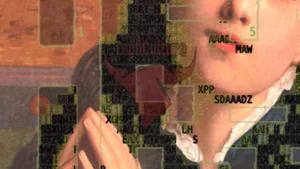
At the heart of the controversy lies “Horses” itself—a game that eschews conventional horror tropes in favor of unsettling allegory. By casting players as humans reimagined as “horses” within a dystopian farm, Santa Ragione invites participants to confront the banality of subjugation and the insidious normalization of institutional abuse. The game’s power does not stem from graphic violence or explicit content, but rather from the slow, atmospheric unraveling of its world—a meditation on the grotesque nature of power dynamics and the ways in which everyday environments can mask systemic horrors.
This cerebral approach to horror highlights the medium’s potential for social commentary, pushing the boundaries of what interactive entertainment can achieve. Yet, it is precisely this willingness to challenge and discomfort that has placed “Horses” at odds with the increasingly cautious policies of digital distribution giants.
Platform Governance: Commerce, Culture, and the Limits of Expression
The decisions by Steam and the Epic Games Store to remove “Horses,” citing guidelines against violent and hateful content, exemplify the heightened scrutiny facing digital platforms. These companies, once mere conduits for content, have evolved into powerful gatekeepers—balancing commercial imperatives with the ethical and regulatory demands of a global audience. Their actions reflect a growing trend: the preemptive policing of content to avoid reputational risk and regulatory backlash.
Such moves, while defensible from a corporate risk perspective, raise profound questions about the boundaries of artistic freedom in digital spaces. When platforms exercise this level of control, they not only shape market access but also influence the cultural discourse around what constitutes acceptable art. The case of “Horses” thus becomes a microcosm of the tensions inherent in digital governance, where the desire for inclusivity and safety can sometimes veer into overreach, stifling provocative and meaningful expression.
The Streisand Effect and Indie Resilience
Ironically, the attempt to silence “Horses” has only amplified its voice. The game’s removal from mainstream channels has driven a surge of interest on alternative platforms such as itch.io and GOG, illustrating the enduring power of the so-called Streisand effect. This phenomenon, where efforts to suppress information only heighten its visibility, is particularly potent in the interconnected world of indie gaming.
For independent developers, this dynamic presents both challenge and opportunity. While exclusion from major storefronts can hinder commercial prospects, it can also galvanize communities, foster critical dialogue, and attract audiences that value artistic audacity. The rise of “Horses” as a cause célèbre among discerning players and critics underscores the resilience and adaptability of indie creators in the face of institutional resistance.
Rethinking Ethics and Engagement in Game Design
The saga of “Horses” compels industry stakeholders to grapple with the ethical foundations of game design and distribution. Should platforms act as protectors of vulnerable audiences, or as stewards of creative risk and cultural evolution? The answer, as this controversy demonstrates, is anything but simple. “Horses” challenges players not merely to consume, but to reflect—to interrogate their own thresholds for discomfort and their complicity in systems of normalization.
As digital media continues to blur the lines between entertainment and social commentary, the responsibilities of all actors—developers, platforms, and audiences—are being redefined. The discourse sparked by “Horses” is a testament to the medium’s growing maturity and its capacity to catalyze conversations that extend far beyond the confines of play. In this evolving landscape, the question is not whether games like “Horses” should exist, but how we choose to engage with the complex realities they illuminate.