IMF Warns Middle East Tensions Threaten Global Economy: Urges Energy Diversification to Curb Inflation
 Staff Editor
 IMF’s Middle East Warning: How Geopolitical Turbulence Threatens Global Economic Stability
The International Monetary Fund’s recent warning on the economic repercussions of the Middle Eastern conflict lands with the force of a cold, necessary reality check for global markets. The world, still nursing wounds from a succession of crises, now faces a new wave of uncertainty—one where energy, food, and financial systems are all at risk from the tremors of geopolitical strife. For business leaders, investors, and policymakers, the message is unmistakable: the era of compartmentalized risk is over. Today, political volatility in one region can set off financial aftershocks across the globe, challenging even the most resilient economies.
Energy Prices: A Double-Edged Sword for Global Economies
The IMF’s analysis spotlights the paradox at the heart of the current energy market. On the surface, nations with strong fossil fuel exports—most notably the United States—may experience a fleeting windfall as oil and gas prices surge. Yet, the broader economic landscape is far less forgiving. Rising energy costs ripple outward, inflating production expenses and squeezing consumer wallets. The knock-on effect is unmistakable: food prices climb, supply chains strain, and the cost of living spikes, all while central banks and governments attempt to nurture fragile recoveries.
This inflationary pressure is particularly acute for economies already burdened by structural weaknesses. Policymakers find themselves in a precarious balancing act—stimulating growth risks overheating the economy, but inaction threatens stagnation or even contraction. The IMF’s warning is a stark reminder that in a hyperconnected global marketplace, energy price shocks are never contained to their point of origin.
Debt, Fiscal Firefighting, and the Limits of Public Finance
Layered atop the energy conundrum is the specter of rising borrowing costs. As the IMF notes, countries with high debt levels face mounting difficulties in securing the financing necessary to weather economic storms. This financial vulnerability can rapidly morph into a drag on long-term growth, exposing the limits of fiscal policy as a crisis management tool.
Governments, particularly in Europe, have responded to recent shocks with emergency subsidies and welfare programs aimed at insulating households from soaring energy prices. While such measures offer short-term relief, they also strain public finances—especially when layered on top of already elevated debt burdens. The risk is clear: today’s fiscal firefighting may sow the seeds of tomorrow’s instability, as debt-servicing costs rise and fiscal space narrows.
The Geopolitical-Energy Nexus: A New Era of Risk
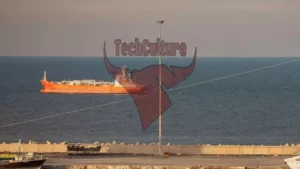
The intersection of geopolitics and energy policy has rarely been more pronounced. The specter of targeted strikes on critical energy infrastructure—amplified by high-profile threats from global leaders—underscores the fragility of the world’s most vital supply routes. The Strait of Hormuz, a chokepoint for both oil and fertilizer shipments, stands as a stark symbol of this vulnerability. Any disruption here would reverberate through commodity markets, agricultural supply chains, and ultimately, household budgets worldwide.
This reality demands a strategic pivot from governments and corporations alike. Diversification of energy sources, investment in alternative solutions, and the bolstering of strategic reserves are no longer optional—they are imperatives. At the same time, the case for robust international legal and regulatory frameworks to manage cross-border risks has never been stronger.
Building Resilience in a Volatile World
The IMF’s cautionary note encapsulates the defining challenge of our era: economic resilience in a world where political and market risks are deeply entwined. For business and technology leaders, the path forward is clear but demanding. Agility—both in corporate strategy and public policy—will be essential, as will a willingness to invest in long-term solutions rather than short-term fixes.
As the global economy navigates these choppy waters, the lessons of the current crisis are unlikely to fade. The interconnectedness of today’s markets means that local conflicts, supply chain disruptions, and political brinkmanship can—and will—reshape the economic landscape with breathtaking speed. Only through coordinated, forward-thinking action can businesses and governments hope to safeguard stability, foster growth, and turn risk into opportunity in an increasingly unpredictable world.