How Reddit’s Collective Intelligence is Revolutionizing Storytelling in HBO’s Westworld
 Staff Editor
 The Westworld Paradox: How Reddit’s Collective Intelligence Is Rewriting the Rules of Storytelling
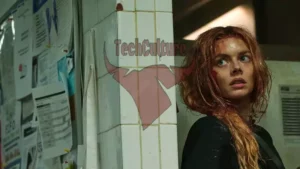
In the golden age of prestige television, HBO’s “Westworld” set out to dazzle audiences with labyrinthine plots, philosophical intrigue, and cinematic ambition. Yet what the creators did not anticipate was how swiftly the show’s mysteries would be unraveled—not by critics or industry insiders, but by a legion of Reddit users whose collective intelligence repeatedly pierced the veil of narrative secrecy. As the boundaries between creator and consumer dissolve, we are witnessing a profound transformation in the business and technology of storytelling—one with implications that ripple far beyond the fate of a single series.
Reddit and the Rise of Participatory Fandom
Reddit, now celebrating two decades as a digital commons, has become the beating heart of participatory fandom. No longer content to passively absorb content, audiences congregate in sprawling subreddits to dissect, predict, and sometimes even outmaneuver the very narratives designed to surprise them. For “Westworld,” this meant that major plot twists—once the sacred province of showrunners—were routinely anticipated weeks in advance, robbing the show of its carefully cultivated suspense.
This phenomenon is not unique to “Westworld,” but the series stands as a particularly vivid example of how online communities are reshaping the entertainment landscape. The traditional, top-down model of storytelling—where studios guard their secrets until the moment of broadcast—has given way to a new, more porous regime. Here, transparency and real-time analysis reign, and the audience’s collective intelligence becomes both a creative resource and a disruptive force.
The Business Dilemma: Harnessing the Crowd Without Losing Control
For studios and content creators, this new reality presents a paradox. On one hand, platforms like Reddit offer a treasure trove of data: instant feedback, nuanced fan theories, and early warnings about narrative missteps. Mining these insights can inform everything from character arcs to marketing strategies, enabling a more adaptive, iterative approach to content creation.
Yet the same mechanisms that foster engagement can also threaten the very essence of storytelling. When the crowd becomes too prescient, the element of surprise—the lifeblood of serialized drama—can evaporate. The challenge, then, is to strike a delicate balance: leveraging the wisdom of the crowd without ceding total narrative control. This requires not only technological innovation, but also a reimagining of the creative process itself, where fan participation is integrated thoughtfully rather than reactively.
Reddit’s Cultural Impact and the Ethics of Digital Governance
Reddit’s influence extends far beyond the realm of entertainment. With nearly 100 million daily active users, the platform is a microcosm of digital society—a place where intellectual debate, pop culture critique, and even radical ideologies coexist and collide. Its success in mainstreaming niche interests has helped redefine what it means to be a fan, a critic, or a participant in culture at large.
But this democratization comes with significant ethical and regulatory challenges. As Reddit grapples with moderating hate speech and curbing the spread of conspiracy theories, it finds itself at the forefront of debates about free expression, platform responsibility, and the governance of digital spaces. The stakes are high: the same openness that fuels creativity and community can also foster echo chambers and amplify disinformation—dilemmas that now occupy policymakers and regulators worldwide.
The Blurred Line Between Creator and Consumer
“Westworld” and Reddit, in tandem, exemplify a seismic shift in the media ecosystem. The show’s struggle to maintain narrative intrigue in the age of omnipresent online discourse is emblematic of broader disruptions to traditional business models and creative hierarchies. As digital platforms continue to empower audiences and challenge established norms, the future of storytelling will depend on our ability to navigate this new terrain—where the distinction between creator and consumer is not just blurred, but redefined as a potent new source of cultural energy. The next chapter in this evolution belongs to those who can harness the collective intelligence of their audiences without sacrificing the artistry that makes stories worth telling.