HBO’s Harry Potter Series Premieres Christmas 2026: Modernized Saga Sparks Casting Controversies and Streaming Buzz
 Staff Editor
 HBO’s Harry Potter Series: A Spellbinding Test of Adaptation, Ethics, and Streaming Ambition
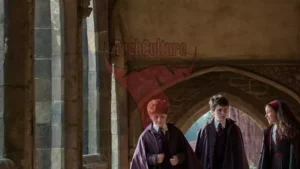
The shimmering promise of Hogwarts has returned, but this time, the journey is not just about nostalgia. HBO’s forthcoming Harry Potter television series, slated for a Christmas 2026 premiere, is already casting ripples far beyond the boundaries of fantasy fandom. With its bold reimagining of “Harry Potter and the Philosopher’s Stone,” the project stands at the intersection of cultural reinvention, ethical scrutiny, and the relentless evolution of the streaming media landscape.
Serialized Storytelling: Unlocking New Depths in the Wizarding World
HBO’s approach signals more than a revival—it is a recalibration. Entrusting Francesca Gardiner, acclaimed for her work on “Succession,” with the creative helm, the network aims to transcend the limitations of previous film adaptations. The promise is an immersive, serialized narrative that delves deeper into the emotional and psychological journeys of Harry, Hermione, and Ron. Here, the magic is not just in spectacle, but in the nuanced exploration of friendship, identity, and the formative conflicts that shape these beloved characters.
This is a strategic play: the serialized format allows for a richer, more textured engagement with the source material. In an era where audiences crave both depth and continuity, HBO’s adaptation seeks to set a new standard for literary properties—one that leverages the episodic structure to realize the full potential of Rowling’s intricate world-building. The move also reflects a broader industry trend, as streaming giants increasingly turn to legacy IP, infusing classic tales with contemporary sensibilities to captivate a new generation of global viewers.
Fan Culture, Casting Controversy, and the Ethics of Modern Fandom
Yet, the road to this ambitious retelling is paved with both opportunity and peril. The casting of Paapa Essiedu as Snape has ignited a firestorm, with vitriolic backlash and even death threats surfacing in the digital ether. Such reactions expose the darker currents of fan entitlement and the vulnerability of performers navigating iconic roles. Essiedu’s own response—channeling negativity into his craft—speaks to the resilience demanded of artists in today’s polarized climate, but it also raises urgent questions about the responsibilities of studios to protect their talent and foster healthier fan engagement.
This controversy is emblematic of the complex ethical terrain that now accompanies high-profile adaptations. The boundaries between creative freedom, audience expectation, and social responsibility are increasingly blurred. Studios are not merely content producers; they are stewards of cultural discourse, tasked with navigating the fraught intersections of tradition, innovation, and inclusivity.
Navigating the Shadow of J.K. Rowling and the Imperatives of Modernization
Layered atop the casting debate is the persistent shadow of J.K. Rowling’s contentious views on transgender issues. HBO’s public distancing from the author’s personal stances—while retaining her as an executive producer—highlights the delicate dance media conglomerates must perform. The challenge is to honor the legacy of a globally beloved property while evolving its ethos to reflect contemporary values and regulatory realities.
This balancing act is not unique to Harry Potter, but it is magnified by the franchise’s cultural weight. For HBO and Warner Bros Discovery, the stakes are both ethical and economic. The project must resonate with a diverse, modern audience without alienating the deeply invested communities that have long championed the series. In this context, the adaptation becomes a case study in how intellectual properties can—and must—be responsibly modernized amid shifting societal expectations.
Streaming Strategy and the Future of Franchise Adaptation
From a business vantage point, the Harry Potter series is positioned as a streaming juggernaut, a tentpole event designed to drive subscriptions and global engagement. Warner Bros Discovery’s leadership touts its potential as a “monumental streaming event,” underscoring the fierce competition for original, event-based content that can anchor a platform’s identity.
But the series is more than a commercial gambit. It is a litmus test for the future of adaptation—where artistic ambition, ethical stewardship, and market imperatives converge. As HBO conjures a new vision for the wizarding world, the industry will watch closely. The stakes are not just about streaming dominance or franchise longevity. They are about proving that cherished legacies can be reimagined with both reverence and relevance, forging new magic for an era defined by both innovation and accountability.