Fire Island Art: 100 Years – Celebrating a Century of LGBTQ+ Creativity, Inclusion, and Cultural Innovation
 Staff Editor
 Fire Island Art: A Century of Creative Resilience and the Business of Cultural Legacy
Few places in America have so artfully entwined personal freedom with creative innovation as Fire Island. “Fire Island Art: 100 Years” is not merely a chronicle of artistic milestones—it is a nuanced meditation on the ways identity, culture, and commerce interweave across generations. For business and technology leaders, the book’s deeper resonance lies in its portrayal of art as both a social catalyst and an economic bellwether, revealing lessons with far-reaching implications for today’s rapidly evolving marketplace.
The Sanctuary Effect: Creativity, Identity, and the Power of Place
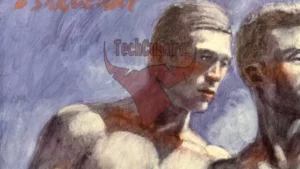
Fire Island’s transformation from a secluded retreat to a thriving crucible for LGBTQ+ artists is more than a historical footnote—it is a testament to the enduring power of creative communities to shape, and be shaped by, broader social currents. The book’s early chapters illuminate how artists like Paul Cadmus and Jared French, long before the mainstreaming of identity politics, found in Fire Island a space to challenge conventions and articulate new visions of the self. Their legacy is echoed in the later works of Peter Hujar and Robert Mapplethorpe, whose art became synonymous with the struggle for inclusivity and self-expression.
This lineage underscores a vital business insight: innovation flourishes where diversity is not just tolerated but celebrated. Fire Island’s story is a living rebuke to the notion of art as an isolated or purely commercial pursuit. Instead, it posits creativity as a force that both reflects and propels social change, offering a blueprint for how organizations might nurture environments where new ideas—and new identities—can emerge.
Beyond the Canon: Rethinking Inclusion in the Age of Digital Markets
“Fire Island Art: 100 Years” does not shy away from the uncomfortable truths of exclusion and underrepresentation. The book’s candid exploration of the historical marginalization of women, Black, and Indigenous artists signals a need to rethink the epistemic frameworks that underpin cultural and business canons alike. As digital platforms democratize access to art, they also expose the limitations of traditional gatekeeping.
For technology and business leaders, this is a call to action: to leverage the democratizing power of digital tools while remaining vigilant against the commodification of creativity. The Fire Island narrative challenges the market-driven reduction of art to mere product, instead advocating for cultural stewardship that values transformative impact over transactional metrics. In a world where algorithms increasingly shape what we see and value, the lessons from Fire Island urge a recalibration of priorities—toward inclusivity, authenticity, and long-term legacy.
The Economics of Preservation: Climate, Policy, and the Future of Creative Hubs
The challenges facing Fire Island today—rising political conservatism, climate change, and shifting economic tides—are not unique. They are emblematic of pressures confronting creative communities worldwide. The economic rationale for preserving cultural hotbeds like Fire Island is clear: these spaces are incubators of human capital, innovation, and community resilience.
The Fire Island Art Residency, spotlighted in the book, exemplifies how investment in creative talent can yield returns that transcend the balance sheet. As digital technologies open new avenues for artistic exposure and sales, they also threaten the local traditions and physical spaces that nurture creativity. This tension presents both a challenge and an opportunity for policymakers and private stakeholders: to craft integrative strategies that safeguard cultural heritage while embracing sustainable economic practices.
Urban planning, climate resilience, and regulatory innovation must converge if we are to protect the fragile ecosystems—both natural and cultural—that underpin creative economies. The Fire Island story thus becomes a strategic manifesto for business and government leaders seeking to balance growth with preservation.
Global Resonance: Transnational Dialogues and the Future of Cultural Business
With forthcoming releases in Australia and the UK, “Fire Island Art: 100 Years” is poised to ignite international conversations about identity, preservation, and the business of culture. In an interconnected world, these dialogues are essential—not only for appreciating art in its myriad forms but for forging interdisciplinary approaches that link cultural evolution to business ethics, regulatory frameworks, and technological empowerment.
The Fire Island legacy, as chronicled in this remarkable volume, serves as both a mirror and a map: reflecting the historic continuum of creative resilience, and charting a path toward more inclusive, sustainable, and innovative futures in the global marketplace.