Elon Musk vs. Donald Trump: Tech Innovation Clashes with Political Power Impacting Markets and Global Economics
 Staff Editor
 Musk vs. Trump: When Tech Titans and Political Power Collide
The recent, highly publicized feud between Elon Musk and Donald Trump offers more than a spectacle of clashing egos—it is a vivid window into the shifting tectonics at the intersection of technology, finance, and political authority. Their dispute, ignited over Trump’s “Big Beautiful Bill,” has rapidly evolved from a policy disagreement into a proxy battle for the future of economic governance, regulatory oversight, and the global order of innovation.
Techno-Capitalism Meets the Old Guard
At the heart of this confrontation is a fundamental divergence in priorities and worldview. Donald Trump, representing a legacy of political power rooted in fiscal levers and state-driven subsidies, wields budget proposals as both a policy instrument and a signal of control. His approach is steeped in the tradition of using government spending to shape economic destiny and reinforce political alliances.
Elon Musk, by contrast, embodies the ethos of Silicon Valley: a relentless drive for disruption, an impatience with bureaucracy, and a belief that innovation flourishes best when unshackled by slow-moving legislative processes. Musk’s criticism of rapid policy passage without thorough congressional review is not mere procedural nitpicking. It reflects a conviction that the future hinges on a regulatory environment nimble enough to keep pace with technological change, yet robust enough to safeguard public interests.
This schism is not just philosophical. It is structural, pitting the entrenched mechanisms of statecraft against the fluid, often unpredictable ambitions of the new techno-capitalist elite. Where Trump sees opportunity in top-down intervention, Musk perceives risk—particularly the risk of stifling the very ingenuity that drives economic progress.
Social Media, Markets, and the New Public Square
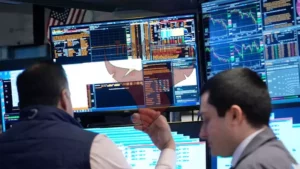
The drama’s public nature, amplified across social media, is itself a hallmark of a transformed information ecosystem. Both Musk and Trump have mastered the art of bypassing traditional media channels, speaking directly to millions—and, crucially, to the markets. The fallout has been immediate and material: Tesla’s share price, for example, has been buffeted not by earnings or product launches, but by the ripple effects of political theater.
This phenomenon signals a seismic shift in the relationship between political narrative and investor sentiment. Market valuations now swing on the pronouncements and perceived allegiances of individual leaders as much as on financial fundamentals. The boundary between policymaking and corporate strategy has never been more porous, and the stakes—measured in billions—have never been higher.
Regulatory Crosshairs and Geopolitical Undercurrents
Regulatory scrutiny has intensified in the wake of the feud, with agencies probing Tesla, SpaceX, and other Musk ventures. This attention is a double-edged sword. On one side, it serves as a necessary check on the influence of technology giants over public policy. On the other, it raises alarms about the dangers of politically motivated intervention—particularly when threats to revoke subsidies or contracts are wielded as leverage.
The repercussions extend far beyond American shores. Musk’s warnings about recessionary pressures and the specter of tariffs point to the global interconnectedness of tech-driven industries. Domestic policy spats, when amplified by personalities of this magnitude, send tremors through international supply chains and recalibrate alliances. In sectors where innovation is the currency of power, the fallout from such disputes can reshape global market dynamics overnight.
Reputational Warfare and the Ethics of Influence
Amid the policy and market turbulence, the feud has also spilled into the realm of personal reputation. Allegations and insinuations—such as references to Jeffrey Epstein’s files—underscore the extent to which personal histories can be weaponized in the quest for political and economic advantage. Calls for investigations into Musk’s background, amplified by figures like Steve Bannon, highlight a growing trend: the fusion of character attacks with regulatory and legislative pressure.
For business leaders and technology stakeholders, the Musk-Trump saga is a cautionary tale and a strategic guidepost. The lines between public persona, corporate performance, and political capital are being rewritten in real time. Navigating this new landscape demands not only operational excellence and innovative vision, but also a keen awareness of the broader forces—regulatory, reputational, and geopolitical—that now shape the trajectory of enterprise and influence alike.