Dutch Rain Fences Boost Urban Water Resilience: Sustainable Solution for Flood and Drought Management
 Staff Editor
 Rain Fences: The Dutch Blueprint for Urban Water Resilience
The Netherlands, a country whose very existence has been shaped by its relationship with water, is once again making waves in the realm of urban innovation. In a move that fuses historical wisdom with forward-thinking design, Dutch housing corporations are rolling out “rain fences”—ingenious systems that capture and store rainwater in densely populated neighborhoods. This initiative, while technical in its execution, is emblematic of a deeper transformation in how cities worldwide might address the mounting threats of climate change.
Adaptive Infrastructure for a Changing Climate
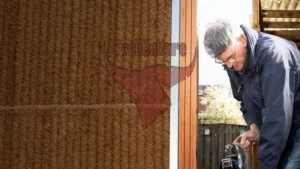
At the heart of the rain fence initiative lies a dual imperative: defending urban spaces against both flooding and drought. As climate volatility intensifies, cities like Eindhoven are experiencing heavier downpours and longer dry spells, straining aging drainage systems and urban greenery alike. Housing organizations such as Woonstichting ’thuis have responded by installing rain fences capable of storing up to 2,160 liters of rainwater per unit. These barriers do more than merely redirect water—they act as buffers during storms, easing the load on municipal sewers, and as reservoirs during droughts, sustaining community gardens and green spaces.
This approach signals a critical shift in urban water management. Rather than viewing water as a force to be controlled or expelled, Dutch planners are increasingly focused on coexistence—harvesting rain when plentiful, preserving it for times of scarcity, and integrating natural cycles into the urban fabric. The rain fence thus becomes a symbol of adaptive infrastructure, blending utility with sustainability and offering a template for cities grappling with similar climate challenges.
Lessons from History, Vision for the Future
The Netherlands’ history is punctuated by devastating floods, most notably the 1953 North Sea disaster, which catalyzed decades of engineering triumphs like the Delta Works. Yet, the rain fence initiative reflects an evolution from grandiose barriers to more nuanced, decentralized solutions. This mirrors a broader European trend: the embrace of green infrastructure, which leverages natural processes for urban resilience.
Recent memories—such as the 2021 Limburg floods—have only heightened the urgency for adaptive strategies. Policymakers, including Eindhoven’s Deputy Mayor Rik Thijs, are now advocating for a collaborative approach, bringing together public agencies, private developers, and local communities. The prospect of regulatory frameworks that incentivize or require climate-adaptive measures could accelerate investment in these systems, positioning the Netherlands as both a market leader and a laboratory for climate innovation.
Social Engagement and Global Implications
While the practical benefits of rain fences are clear, their success also hinges on community acceptance and participation. Some residents remain hesitant, highlighting the importance of transparent civic dialogue and inclusive design. This is not merely a technical challenge but an ethical one: climate adaptation must be equitable, ensuring that vulnerable populations are not left behind.
Globally, the Netherlands’ experiment is being closely observed by other nations confronting rising seas and erratic weather. The shift from domination to partnership with nature—embodied in the rain fence—offers a philosophical and practical model for sustainable urban development. As climate risks become more pronounced, the Dutch approach underscores the value of blending historical memory, technological ingenuity, and social cohesion.
Towards a Resilient Urban Future
The deployment of rain fences marks more than a novel engineering feat; it is a cultural and strategic pivot towards resilience. In transforming everyday infrastructure into multi-purpose climate assets, Dutch cities are not only safeguarding their residents but also sparking a broader reimagining of how urban environments can thrive amid uncertainty. For business and technology leaders, the lesson is clear: innovation in the age of climate change is as much about rethinking relationships—with nature, with history, and with each other—as it is about new hardware or software.
As cities worldwide search for answers to the complex questions posed by climate change, the rain fence stands as a quietly radical proposition—one that invites us all to consider how the most enduring solutions may emerge from a thoughtful dialogue between past experience and future necessity.