Ian Charleson’s Final Hamlet in *Elsinore*: Andrew Scott Stars in a Powerful Tale of Art, Activism & Legacy
 Staff Editor
 The Art of Defiance: Ian Charleson’s Hamlet and the Business of Legacy Storytelling
In the ever-evolving interplay between art, technology, and social consciousness, certain stories transcend their immediate context, echoing across decades to challenge, inspire, and provoke. The upcoming film Elsinore, directed by Simon Stone and starring Andrew Scott, revisits one such narrative: the extraordinary final performance of Ian Charleson as Hamlet. This retelling is not merely a cinematic homage—it is a meditation on resilience, cultural transformation, and the power of creative industries to shape public discourse.
Art, Activism, and the Courage to Transform
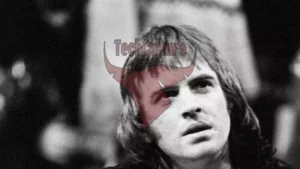
When Ian Charleson stepped onto the National Theatre stage in 1989, he did so under the shadow of both personal and societal crisis. Replacing Daniel Day-Lewis at short notice, Charleson delivered a Hamlet suffused with urgency and vulnerability, all while privately battling a terminal AIDS diagnosis. In an era when HIV/AIDS was met with fear, misinformation, and stigma, Charleson’s decision to reveal his illness was an act of profound courage.
This intersection of art and activism marked a pivotal moment in public consciousness. Charleson’s openness forced audiences and institutions to confront their prejudices, humanizing a crisis that had too often been met with silence. His performance became a symbol not only of artistic brilliance but also of the ethical imperative to bear witness—reminding us that creative expression can serve as both a mirror and a catalyst for social change.
Legacy Content and the New Economics of Storytelling
The resurgence of interest in Charleson’s story through Elsinore is emblematic of a broader trend reshaping the business of culture. As film festivals like Telluride and the London Film Festival increasingly spotlight narratives that fuse personal history with collective memory, the market for legacy storytelling is expanding. These stories, rooted in historical authenticity, offer audiences a chance to engage deeply with the emotional and ethical dimensions of the past.
For the business and technology sectors, this shift presents both challenges and opportunities. The monetization of legacy intellectual property—whether through streaming platforms, curated festival circuits, or immersive digital experiences—requires a nuanced approach to both content curation and audience engagement. Companies that successfully navigate this terrain stand to benefit not only financially but also reputationally, as consumers gravitate toward media that resonates with contemporary values and tensions.
Moreover, advances in digital preservation and AI-driven content analysis are making it possible to resurrect and recontextualize archival material with unprecedented fidelity. This technological renaissance is transforming how legacy narratives are packaged, marketed, and consumed, raising important questions about copyright, attribution, and the ethics of representation.
Acting, Authenticity, and the Ethics of Retelling
Andrew Scott’s portrayal of Charleson is itself a meta-commentary on the nature of performance and remembrance. In an age obsessed with authenticity, the casting of Scott—a celebrated actor known for his emotional depth—signals a commitment to honoring the complexity of Charleson’s legacy. The film’s anticipated critical acclaim is likely to ignite further debate about how we commemorate figures whose lives straddled public triumph and private struggle.
This conversation extends far beyond the arts. It touches on the regulatory frameworks that govern arts funding, the responsibilities of cultural institutions, and the need for inclusive storytelling that acknowledges both the pain and the possibility inherent in our shared histories. As content creators and policymakers grapple with these issues, the story of Charleson’s Hamlet becomes a touchstone for ethical innovation within the creative economy.
The Enduring Power of Vulnerable Truths
Elsinore arrives at a moment when audiences are hungry for stories that do more than entertain—they seek narratives that challenge assumptions and foster empathy. The legacy of Ian Charleson’s Hamlet, refracted through the lens of modern filmmaking, underscores the enduring relevance of vulnerable truths in an age of rapid technological change.
For leaders across business, technology, and the arts, the lesson is clear: the most resonant stories are those that dare to confront the complexities of the human condition. As the film prepares to make its mark on the festival circuit, it stands as both a tribute and a provocation—reminding us that the business of storytelling is, at its core, a business of courage, connection, and transformation.