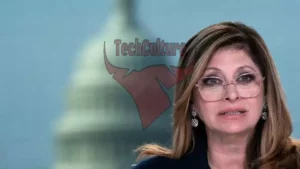
Maria Bartiromo’s Fox News Exit Exposes Media Ethics, Corporate Influence, and Political Tensions
 Staff Editor
 Maria Bartiromo’s Fox News Exit: Unraveling the Ties Between Media, Politics, and Corporate Power
The recent and abrupt departure of Maria Bartiromo from Fox News is more than a headline-grabbing personnel move; it is a moment of reckoning for the modern media landscape. As one of the most recognizable faces in broadcast journalism, Bartiromo’s exit throws into sharp relief the complex interplay between editorial independence, corporate interests, and the ever-thickening web of political influence. For business leaders, technology innovators, and media strategists alike, the episode offers a rare glimpse into the internal fault lines shaping the future of news.
Editorial Integrity in a Politicized Media Environment
At the heart of the controversy lies an explosive allegation: that Bartiromo disclosed Fox News’s internal editorial guidance. Her legal team has categorically denied the claim, but the mere suggestion exposes the fragile balance media organizations must strike between upholding journalistic standards and navigating partisan expectations. Fox News, long a lodestar for conservative viewers, has built its brand on walking the tightrope between reporting and advocacy. Yet, as this episode demonstrates, the risks of crossing—or even appearing to cross—the line between unbiased journalism and political orchestration are profound.
For industry observers, the Bartiromo episode underscores a core vulnerability in media operations: the dependence on confidential editorial directives to maintain message discipline, and the peril when such protocols become points of contention. In a marketplace where content credibility is a prized asset, even the perception of compromised integrity can erode audience trust, disrupt advertiser relationships, and invite regulatory scrutiny. As audiences fragment and consumer skepticism grows, media companies are increasingly pressed to differentiate themselves while reaffirming their commitment to transparency.
The Business Risks of Blurred Boundaries
Beyond the newsroom, the Bartiromo affair is a cautionary tale for corporate governance and brand management. Media conglomerates are acutely aware that their reputations—and by extension, their market capitalizations—are built on the perceived reliability of their content. The specter of legal action from Bartiromo’s camp signals that disputes over editorial direction are not just matters of internal discipline; they carry serious financial and reputational consequences.
This episode also highlights the strategic vulnerabilities inherent in large media organizations. The reliance on behind-the-scenes directives, the potential for misinterpretation or misuse, and the political stakes of alienating key audience segments all contribute to a volatile operating environment. As social media accelerates the pace at which controversies unfold, executive decisions are subjected to unprecedented levels of public and regulatory scrutiny.
Regulatory, Ethical, and Political Reverberations
The implications of Bartiromo’s departure ripple far beyond Fox News’s Manhattan headquarters. In a deeply polarized political landscape, the manipulation or selective curation of news narratives has become a flashpoint for public distrust and regulatory anxiety. While the U.S. tradition of robust free speech protections endures, incidents like this may catalyze calls for clearer industry standards on transparency and ethical boundaries—especially in politically sensitive reporting.
Moreover, the rumored possibility of Bartiromo transitioning into a high-profile political role—perhaps within a future Trump administration—illustrates the increasingly porous boundary between the media and political spheres. This symbiosis, where media acumen translates into political capital, raises urgent questions about accountability, the independence of journalism, and the health of democratic discourse.
Navigating the Future of News
As the story unfolds, industry stakeholders are left to grapple with fundamental questions: How can media organizations safeguard editorial independence in an era of corporate consolidation and political polarization? What protocols must be instituted to ensure that the public receives unfiltered, trustworthy information? And how can the industry adapt to a reality where the lines between reporting, advocacy, and power are more blurred than ever?
Maria Bartiromo’s exit from Fox News is not an isolated event, but a microcosm of the seismic shifts reshaping the information economy. It is a reminder that the integrity of our news ecosystems—and the trust they command—rests on the vigilance, ethics, and courage of those who operate within them. As the boundaries between media, business, and politics continue to dissolve, the stakes for truth and accountability have never been higher.