Lucas Museum of Narrative Art LA: Immersive Storytelling Meets Tech & Culture
 Staff Editor
 The Lucas Museum of Narrative Art: Where Storytelling, Technology, and Culture Converge
In the heart of Los Angeles, a new chapter in the evolution of cultural institutions is being written. The Lucas Museum of Narrative Art, the visionary project spearheaded by George Lucas and Mellody Hobson, emerges not merely as a repository of visual storytelling but as a living laboratory for the interplay of technology, art, and collective memory. As the boundaries between fine art, pop culture, and digital innovation continue to dissolve, this museum stands as a landmark for a future where narrative is both artifact and interface.
Architecture as Metaphor: The Museum’s Design Language
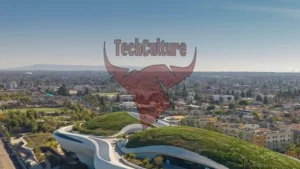
Approaching the Lucas Museum, visitors are met with a structure that feels almost sentient—its sweeping lines and organic forms evoke both the fantastical and the familiar. The architecture, suggestive of a spaceship nestled among tree canopies and clouds, is more than aesthetic bravado. It is an intentional metaphor for the museum’s mission: to serve as a vessel for journeys through time, imagination, and technology.
This design philosophy reflects a broader trend in the world’s leading museums, where form and function are intertwined. The Lucas Museum’s 100,000 square feet are not simply filled with art objects; they are meticulously orchestrated environments that invite exploration and participation. Galleries flow into cinemas, mural spaces, and research libraries, creating a multidimensional canvas where visitors are encouraged to craft their own narrative pathways. Such spatial choreography signals a departure from the static, didactic displays of the past, embracing instead a dynamic, user-centric model of engagement.
Experiential Curation: From Prescriptive to Participatory
At the core of the Lucas Museum’s curatorial strategy is a radical embrace of experiential storytelling. Rather than relying on dense textual panels, the museum opts for minimal written guidance, instead leveraging digital QR codes to unlock deeper layers of meaning. This approach empowers visitors to become active participants, piecing together stories through interaction and discovery.
Positioned adjacent to the University of Southern California, the museum is poised to become a crucible for interdisciplinary collaboration. Its proximity to academic and technological powerhouses promises a fertile ground for research, dialogue, and innovation. The museum’s emphasis on participatory engagement aligns with contemporary educational philosophies that value inquiry over instruction, fostering a more democratic and inclusive model of cultural exchange.
The Marketplace of Culture: Bridging Art, Pop, and Commerce
In a landscape where cultural capital is fiercely contested, the Lucas Museum’s eclectic collection is a strategic masterstroke. Iconic artifacts—from the Cowardly Lion costume of The Wizard of Oz to works by Banksy and Frida Kahlo—sit alongside memorabilia from the Star Wars universe, weaving together disparate threads of high art and mass media. This hybrid curation not only broadens the museum’s appeal but also positions it as a formidable player in the competitive cultural economy.
Such inclusivity is more than a marketing tactic; it is a philosophical stance. By celebrating “the People’s Art,” the museum acknowledges the power of stories to transcend social and historical boundaries. In an era where digital narratives shape public consciousness and drive social change, this ethos resonates with a generation hungry for connection and meaning.
Narrative Power and Global Soft Influence
The significance of the Lucas Museum extends beyond its walls. In a time when nations vie for influence through cultural soft power, institutions like this become vital arenas for international dialogue and exchange. Narrative art, in all its forms, offers a universal language—one capable of fostering empathy, challenging orthodoxies, and inspiring progressive thought.
As the Lucas Museum of Narrative Art opens its doors, it signals the dawn of a new paradigm in cultural engagement. Here, technology and tradition meet not as adversaries but as collaborators, shaping a future where the stories we tell—and the ways we tell them—define who we are and who we aspire to become.