GTA VI Netflix Streaming Event Revolutionizes Gaming Reveals and Digital Culture
 Staff Editor
 GTA VI’s Streaming Spectacle: A New Era for Interactive Media and Digital Culture
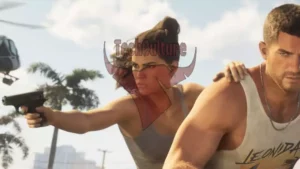
When Netflix’s servers buckled under the weight of millions of viewers tuning in for an “extended look” at Grand Theft Auto VI, the event transcended the boundaries of a typical game reveal. This was not just a marketing masterstroke—it was a seismic moment for the digital entertainment industry, heralding a future where streaming platforms become arenas for global, participatory cultural events. The convergence of blockbuster gaming, live streaming, and on-demand platforms is rewriting the rules of audience engagement, reshaping both the business and the artistry of interactive media.
Streaming Platforms: From Passive Viewing to Global Fan Engagement
The technical turbulence that marred Netflix’s premiere of the GTA VI showcase was more than a fleeting inconvenience; it was a harbinger of the infrastructural challenges that lie ahead. With over 9,000 Twitch streamers providing live commentary and millions logging hours on Netflix, the event exposed the limitations of current digital platforms when confronted with mass, synchronous participation. Streaming services are rapidly evolving from repositories of passive content to dynamic hubs of real-time engagement, where communities gather to experience cultural milestones together.
This shift has profound implications for the entertainment ecosystem. Traditional media events—once reserved for the realm of televised sports or global award shows—are now being reimagined through the lens of interactive entertainment. The demand for scalable, resilient digital infrastructure capable of supporting these events is intensifying, presenting both a challenge and an opportunity for technology providers and content platforms. As fan expectations soar, the industry must invest in next-generation event management systems to ensure seamless, immersive experiences.
Beyond Sensationalism: Elevating the Discourse on Video Games
The media’s response to Grand Theft Auto VI’s preview illustrates a persistent tension: the allure of sensationalist coverage versus the imperative for nuanced cultural critique. Too often, mainstream outlets default to reductive narratives—fixating on violence or controversy—while overlooking the sophisticated artistry and thematic complexity that define modern video games. This tendency not only misrepresents the medium but also diminishes its potential as a vehicle for social commentary and artistic innovation.
There is a pressing need for leading media organizations to broaden their analytical lens. Games like Elden Ring and The Last of Us: Part 2 have demonstrated that interactive storytelling can rival the narrative depth of literature or cinema. Yet, these achievements are frequently overshadowed by the commercial gravity of established franchises. By engaging with video games as multifaceted works of art, critics and commentators can foster a richer, more informed public conversation—one that recognizes the medium’s capacity to challenge, provoke, and inspire.
Navigating Industry Turbulence: Geopolitics, Governance, and Creativity
The evolving landscape of digital entertainment is not without its internal frictions. Reports of staff anxiety at Electronic Arts following a Saudi-led buyout highlight the intersection of global capital and creative autonomy—a dynamic that increasingly shapes the contours of the industry. Meanwhile, security breaches at events like Gamescom underscore the complexities of safeguarding intellectual property and personal safety in a world where physical and digital spheres are deeply entwined.
These developments serve as reminders that the transformation of gaming extends well beyond narrative innovation or technical spectacle. The sector must grapple with questions of corporate governance, ethical standards, and geopolitical influence, all while striving to protect the creative freedoms that have fueled its ascent. As the industry matures, the balance between commercial imperatives and cultural stewardship will become ever more critical.
The Interactive Renaissance: Rethinking the Value of Play
The fervor surrounding GTA VI’s extended look is emblematic of a broader cultural awakening—one that recognizes video games as a cornerstone of contemporary art and society. As streaming platforms, developers, and media outlets adapt to this new reality, the stakes are clear. The future of interactive entertainment will be shaped by those willing to embrace its complexities: investing in robust technology, championing creative diversity, and elevating the discourse around what games can mean for a global audience.
In this unfolding narrative, the boundaries between player and spectator, artist and critic, are dissolving. Interactive media stands not merely as escapism, but as an essential forum for cultural expression, debate, and connection—an arena where the next chapter of digital culture is being written in real time.