Hayley Mills Reflects on *Whistle Down the Wind*: British Cinema’s Golden Age, Restoration, and Cultural Legacy
 Staff Editor
 Revisiting Whistle Down the Wind: Hayley Mills, Cinematic Heritage, and the Business of Nostalgia
When Hayley Mills recently revisited her experience filming Whistle Down the Wind, the conversation transcended mere reminiscence. Her reflections unlocked a vivid tableau of British cinema’s golden age, while also illuminating the intricate interplay between cultural memory, creative risk-taking, and the evolving economics of film heritage. For today’s business and technology leaders, Mills’ narrative is more than a personal account—it is a lens through which to examine how nostalgia, preservation, and innovation coalesce in a rapidly shifting media landscape.
The Artistry of Uncertainty: Creative Risks and Lasting Impact
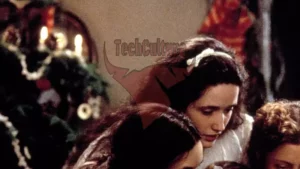
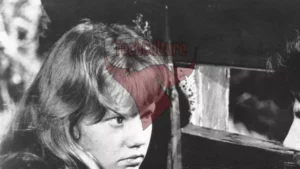
At the heart of Whistle Down the Wind lies a deceptively simple story: three children, cloistered on a Sussex farm, discover a fugitive and mistake him for a divine figure. This narrative, filtered through the unjaded eyes of youth, becomes a powerful metaphor for society’s perennial struggle with ambiguity. Mills’ recollections of the film’s production—battling the relentless Lancashire winter, wading through mud, and adapting to a last-minute directorial change—reveal a filmmaking process imbued with uncertainty and improvisation. Yet, it is precisely this unpredictability that lends the film its enduring authenticity.
The collaborative ethos of the era is evident in the constellation of talent orbiting the production. Richard Attenborough’s gravitas, Arthur Ibbetson’s evocative cinematography, and Malcolm Arnold’s haunting score coalesced into a work that defied the austerity of post-war Britain. Mills’ memories evoke a time when creative experimentation was not just tolerated but celebrated—a fertile ground from which cultural touchstones could emerge. The film’s raw charm and emotional resonance have allowed it to outlast fleeting trends, continuing to captivate new generations.
Nostalgia as an Economic Engine: The Business of Film Heritage
The recent decision to screen a newly restored 35mm print of Whistle Down the Wind at BFI Southbank, accompanied by a Q&A with Mills and her co-stars, is emblematic of a broader shift within the film industry. Nostalgia is no longer a passive sentiment; it has become a dynamic economic force. Investors, cultural institutions, and event organizers are increasingly attuned to the market potential of retrospective screenings, limited-edition reissues, and immersive experiences that bridge past and present.
These events are more than commemorations—they are strategic touchpoints within a growing ecosystem of film heritage marketing. Ancillary opportunities abound: from collectible publications and behind-the-scenes retrospectives to premium festival circuits that attract both cinephiles and new audiences. For stakeholders, the preservation and celebration of classic cinema are not just cultural imperatives but also commercially viable ventures that reinforce brand equity and audience loyalty.
Preservation in the Digital Age: Balancing Innovation and Authenticity
Mills’ reflections also surface an urgent question for policymakers and industry leaders: how do we safeguard our cinematic legacy amid relentless technological change? The transition from fragile celluloid to digital formats is fraught with both promise and peril. Digital platforms offer unprecedented accessibility and reach, yet the tactile, immersive quality of analog film remains irreplaceable for many purists and creators.
The BFI’s investment in analog restoration and public screenings signals a recognition that heritage preservation is a delicate balancing act. It requires not only technological innovation but also regulatory foresight and sustained financial commitment. As streaming giants reshape viewing habits and content distribution, the imperative to protect and promote historical media grows more acute. This is not merely a matter of sentimentality; it is a strategic defense of cultural capital and creative authenticity.
The Enduring Echo of Memory and Meaning
Hayley Mills’ journey through the making of Whistle Down the Wind is much more than a nostalgic reverie. It is a living testament to the power of storytelling, the value of creative risk, and the necessity of intentional preservation. In an era defined by rapid technological disruption and shifting business models, her narrative offers a blueprint for how industries can honor their past while shaping their future. For those charting the next chapter in entertainment, media, and technology, the lessons of Mills’ story are both timely and timeless—reminding us that the soul of cinema endures wherever artistry, heritage, and innovation intersect.