Netflix’s “Famous Last Words” Redefines Digital Legacy Through Posthumous Interviews
 Staff Editor
 Rewriting the Final Chapter: How Netflix’s “Famous Last Words” Redefines Digital Legacy
Netflix’s latest original series, “Famous Last Words,” arrives as a profound meditation on mortality, memory, and the evolving role of technology in shaping our most intimate narratives. In a media landscape often dominated by the ephemeral and the sensational, the show’s approach—centered on posthumous interviews—signals a bold recalibration of how we frame life’s closing act.
The Rise of Self-Curated Farewells
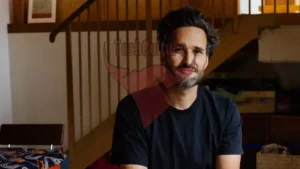
At the heart of “Famous Last Words” lies a quietly radical concept: allowing individuals to consciously craft their own final narrative. The episode featuring actor Eric Dane, recorded after his ALS diagnosis and aired just a day after his death, exemplifies this ethos. Dane’s frank reflections on addiction, regret, and familial love stand in stark relief against the fleeting churn of digital content. Here, the act of speaking one’s truth in the shadow of mortality becomes both a personal reckoning and a public testament.
This is more than storytelling—it is an act of narrative reclamation. Instead of ceding the final word to outside observers or media, subjects become co-authors of their legacy. The implications ripple outward: in an era where digital footprints often outlive their creators, “Famous Last Words” invites us to consider who truly owns our stories, and how technology can empower us to shape them with intention.
Digital Immortality and the Ethics of Memory
For business leaders and technologists, the series poses urgent questions about the stewardship of digital legacies. As participants engage in what might be called “life hacking”—deliberately encoding their values, confessions, and hopes for posterity—they are leveraging content platforms not just as entertainment channels, but as custodians of personal history.
This shift challenges regulators and ethicists alike. The notion of posthumous consent, the integrity of narrative editing, and the commodification of human finality all come under scrutiny. Who decides what is preserved, and how? As streaming giants like Netflix become gatekeepers of memory, the line between content curation and digital memorialization blurs, demanding new frameworks for privacy, consent, and narrative authenticity.
Global Formats, Local Resonance
“Famous Last Words” is itself an adaptation—its roots trace back to the Danish series “Det Sidste Ord.” This cross-pollination of formats underscores the increasingly borderless nature of media innovation. It also highlights the appetite for content that transcends cultural specificity, tapping into universal questions about life, death, and meaning.
For Netflix, the calculated risk of foregrounding such weighty themes is a strategic differentiator in a saturated streaming market. Where rivals chase virality with formulaic thrillers or reality shows, Netflix is staking a claim on the existential. This move could catalyze a new subgenre—one that fuses documentary rigor with the catharsis of narrative closure, and that challenges audiences to confront mortality not with fear, but with curiosity and candor.
A Tapestry of Human Experience
The series’ intellectual resonance is further amplified by its diverse cast of subjects. The juxtaposition of Jane Goodall’s hopeful reflections with Eric Dane’s raw, personal farewell is emblematic of the show’s breadth. Goodall’s optimism about humanity’s capacity for change stands in poignant contrast to Dane’s intimate reckoning, creating a mosaic of perspectives that honors the complexity of the human condition.
As streaming audiences increasingly gravitate toward content that offers not just distraction, but genuine reflection, “Famous Last Words” may prove to be more than a cultural experiment—it could become a touchstone for how we collectively grapple with the ultimate questions of legacy and remembrance. In reframing the end of life as an act of authorship, Netflix is not merely innovating in content; it is quietly redrawing the boundaries of digital immortality and inviting us all to consider how we wish to be remembered in a world where stories, once told, can truly last forever.