Charli XCX’s “The Moment”: Satirizing Celebrity Culture and Authenticity in the Digital Age
 Staff Editor
 The Moment: Charli XCX and the High-Wire Act of Pop Authenticity
In the kaleidoscopic glare of today’s entertainment industry, “The Moment” emerges as more than just another satirical send-up of celebrity culture. Instead, this meta-mockumentary—anchored by the ever-inventive Charli XCX—serves as both mirror and magnifying glass, reflecting the paradoxes that define modern artistry while magnifying the unseen fissures lurking beneath the surface of mainstream success. For business and technology audiences attuned to the seismic shifts in creative production and monetization, the film’s subtext provides a compelling case study in the evolving dynamics of content creation, distribution, and value.
The Double-Edged Sword of Celebrity in the Digital Age
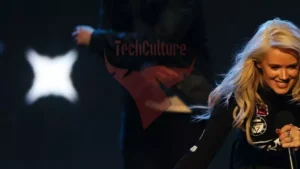
Charli XCX’s dual role, portraying an exaggerated version of herself, is more than a clever narrative device. It’s a strategic act of self-examination, leveraging her public persona to probe the machinery that shapes, packages, and often distorts the celebrity narrative. In this self-aware performance, Charli exposes the paradox at the heart of the digital creator economy: the freedom to self-publish and connect directly with audiences comes at the cost of relentless visibility and algorithmic commodification.
Whereas record labels once stood as the primary arbiters of taste and gatekeepers of access, today’s artists navigate a labyrinth of social media platforms, streaming services, and hyper-fragmented audience segments. The democratization of content creation has not erased the tension between authenticity and marketability; it has simply shifted its battleground. “The Moment” uses its cast of archetypal industry figures—greedy executives, obsequious assistants—to lampoon the enduring reduction of artistic labor to transactional spectacle. In so doing, it underscores a systemic issue: the persistent dehumanization of creativity in the age of data-driven entertainment.
Surface Versus Substance: The Cinematic Dilemma
Critical reactions to “The Moment” have zeroed in on its dazzling visuals and propulsive soundtrack, raising a familiar—and timely—question: in an era dominated by high production values, does style inevitably eclipse substance? The film’s aesthetic bravado is both a celebration of multimedia innovation and a subtle critique of a marketplace that often rewards spectacle over storytelling. This dilemma resonates far beyond cinema, echoing across the creative industries as enterprises grapple with the challenge of balancing technical prowess with narrative depth.
For technology leaders and investors, this is a salient reminder that user engagement metrics and viral reach—though vital—cannot substitute for genuine audience resonance. As consumers grow increasingly sophisticated, there is a rising demand for content that delivers both sensory excitement and intellectual engagement. “The Moment” becomes a harbinger of a potential regulatory and cultural recalibration, where the call for deeper, more meaningful narratives is growing louder.
Art, Commerce, and the Future of Cultural Power
Beneath the film’s playful satire lies a more profound meditation on the monopolization of culture and the shifting locus of creative power. As global media conglomerates consolidate control over intellectual property and distribution channels, the struggle between artistic aspiration and corporate imperatives intensifies. “The Moment” resonates with broader debates about who gets to shape cultural narratives in an era of transnational platforms and algorithmic curation.
This friction is not confined to the entertainment sector. It reverberates through ongoing discussions about digital content regulation, the democratization of creative opportunity, and the ethical stewardship of intellectual property. As AI-driven recommendation engines and platform economics reshape the value chain, the balance between authentic expression and commercial viability has never been more precarious—or more consequential.
“The Moment” may not resolve these contradictions, but its very existence is a testament to their urgency. For those navigating the intersection of business, technology, and culture, the film is less a finished argument and more a provocation: a reminder that in the digital revolution’s relentless churn, the contest between authenticity and spectacle remains the defining drama of our creative age.