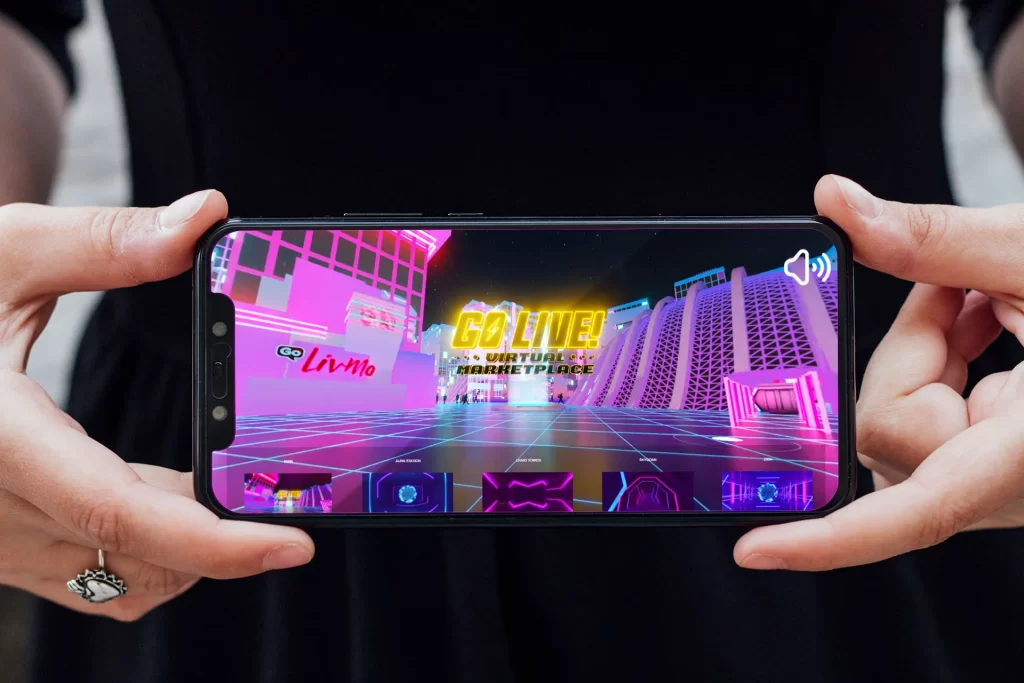
The new gold rush: an interview with GoLivMo on capturing niche markets through unique social experiences
 TechCulture
 Nielsen Research predicts that billions of marketing dollars are wasted annually by companies due to inefficient targeting. There’s been a broad industry effort in developing more niche channels to combat this ongoing problem. We shine a spotlight on a company based out of Singapore working to solve this targeting issue for service-based companies.
For the uninitiated, GoLivMo (also affectionately known to their fans as just LivMo) is a dedicated marketing platform connecting activity-focused companies, communities, and individuals (Creators) with Socially Active consumers that search for them daily. GoLivMo actively curates content to ensure a high quality of activities and aims to make it safe and simple for users to do something new.
This innovative company has its eye on a share of an uncontested $2.2 Trillion a year industry that doesn’t have a clear market leader to date. This is a gold-mine waiting for any company that can unlock its full potential. We catch up with Group CEO Kevin Ou and Dustin Steward (CEO North America) to learn more about what goes on behind the scenes.
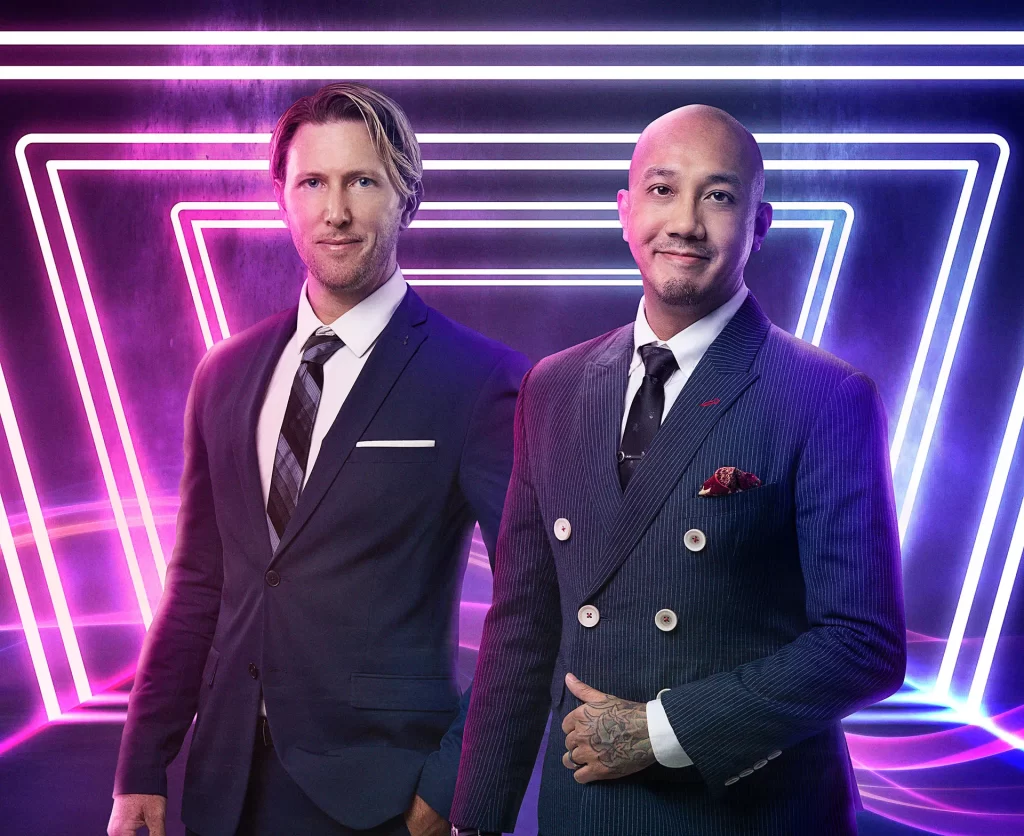
Kevin and Dustin, thank you for joining us today. Tell us more about GoLivMo
Happy to be here! GoLivMo works on a simple concept. We provide a home for users to get access to amazing experiences in their city. Companies work with us to connect with these high-purchase intent customers. By creating a more efficient connection, companies can reduce their marketing costs. Some of those savings go to the consumers in the form of unique access, perks, or discounts—a win-win solution for everyone.
Many other industries utilize a dedicated channel, aggregating and creating content to help you find and purchase products online, reserve a table at a restaurant, book transport on-demand to booking a private home anywhere in the world. Curiously, there aren’t any that curate experiences within each city, helping locals find and book activities more easily. As you mentioned, there’s no clear leader in this space globally.
Companies, Organizations, and Communities have realized over the past few years that experiences are a key factor in breeding brand engagement and long-term loyalty. You’ll start noticing tons of companies starting to focus on dining, retail, travel, cafe, party experiences, etc. But you’ll also notice that there’s no dedicated channel to help users discover those experiences.
The current discovery process relies on a wide-gamut of platforms, including social media, online blogs, newspapers, email blasts, magazines, outdoor advertising, travel apps, and ticketing sites, amongst others. Searching for something to do (if you can find it) is a fragmented process taking upwards of 60 mins, and we aim to do it under 8 mins.
Fascinating! What inspired the company? How did you validate your idea?
The spark came from 2 separate insights. The first was during the early part of my career working with a range of clients ranging from Politicians, Hollywood stars to high-net-worth individuals. On many occasions, it dawned on me that no matter how powerful, famous, good looking you are, there are always experiences that make one feel authentically excited and alive. This holds true for us, regular people as well. I’ve always pondered how we can make those activities more accessible, so those ecstatic moments happen more frequently in life.
The second was when I was first dating my wife (then fiancée) in 2016. I looked hard for an experience for a date night that would wow her and spent 2 hours Googling for something unique to do in my city. After that time, I came up empty-handed and thought there must be a better way to find and book something remarkable. The inherent problem is that “you don’t know what you don’t know,” so it became impossible for me to keyword search for something I didn’t know existed.
These insights eventually gave way to a small Google survey that we circulated to friends, family, and everyone that would let us poke their brains. We found out from over 847 people around the world that it takes them an average of 60 mins to decide on something to do. What’s more surprising is that even after a decision had been made, respondents felt that they had picked something out of convenience or frustration, not necessarily something they were satisfied with.
The decision to launch and invest in GoLivMo fell into place easily after that.
It’s a great idea, and it’s clearly different from other solutions that are out there. What were your biggest challenges in getting this on the market?
The concept of booking an activity mirrors what the travel industry is doing. Online Travel Agents (OTA’s) focus largely on travel, while our focus with GoLivMo is largely dedicated to powering the experiences of locals in major cities and beyond. Our platform helps people discover exclusive local entertainment, recreation, and dining opportunities to build incredible memories and support the communities around them.
A number of travel apps have attempted to expand into the local experience marketplace. However, the fundamental issue with that is the dilution of their core message. Consumers typically rely on designated travel apps for travel and utilize a separate app for an event seeking and ticketing. It’s an uphill battle to be known as a unified destination for both.
When we first started GoLivMo, Kevin and I understood the importance of deviating from the typical travel agency, re-ticketing platform, or discount website. We started from the ground up, talking with business owners, and creating an experience unique to their brand. Building an audience and securing a foothold in the experience market went hand in hand, and now we are continuing to expand to major US cities and around the world. One of our partners dubbed us the “Amazon of Activities & Experiences,” and that overarching idea just stuck as our north star.
That’s very easy to understand. How does it work? Is it as straightforward as aggregating a city-wide database?
Aggregation of content is secondary to Curation. Our role as curators is to ensure that experiences have a certain level of quality of fun, novelty, exclusivity, and safety. We do this to help our users save time and also provide peace of mind when booking.
Any large database can be overwhelming, so we help filter the content by using a hybrid of AI (Machine Learning) and human expertise. It’s much easier to decide from 10 key activities that were suggested for you than 1,000 that you have to scroll through. We understand the necessity to provide suggestions beyond previous selections as well as encourage new experiences for the adventure-seeker within us all. Working closely with business owners and providers within each major metropolitan city (including LA, Singapore, New York, and Las Vegas) helps us to identify appropriate experiences for our users.
The exciting part comes when we begin developing personalized experiences with our Creators. These are business owners or brands eager to generate growth and drive verticals. It allows our team to be creative and identify what’s most unique about a brand or business. Through testing and two-way data channels with our partners, we can set the foundation for a new opportunity and successfully pair providers with new and returning consumers.
By tapping into all our data channels, we increasingly learn what users are looking for. Having our finger on the pulse of each city has been crucial; we started seeing trends and demand patterns unique to each geographic region. We then utilize this data to co-partner with our Creators to build new and exciting experiences not available anywhere else. The long term goal is to help our Creators lower their marketing costs while increasing their revenues.
Give us an idea of what a typical GoLivMo experience would look like?
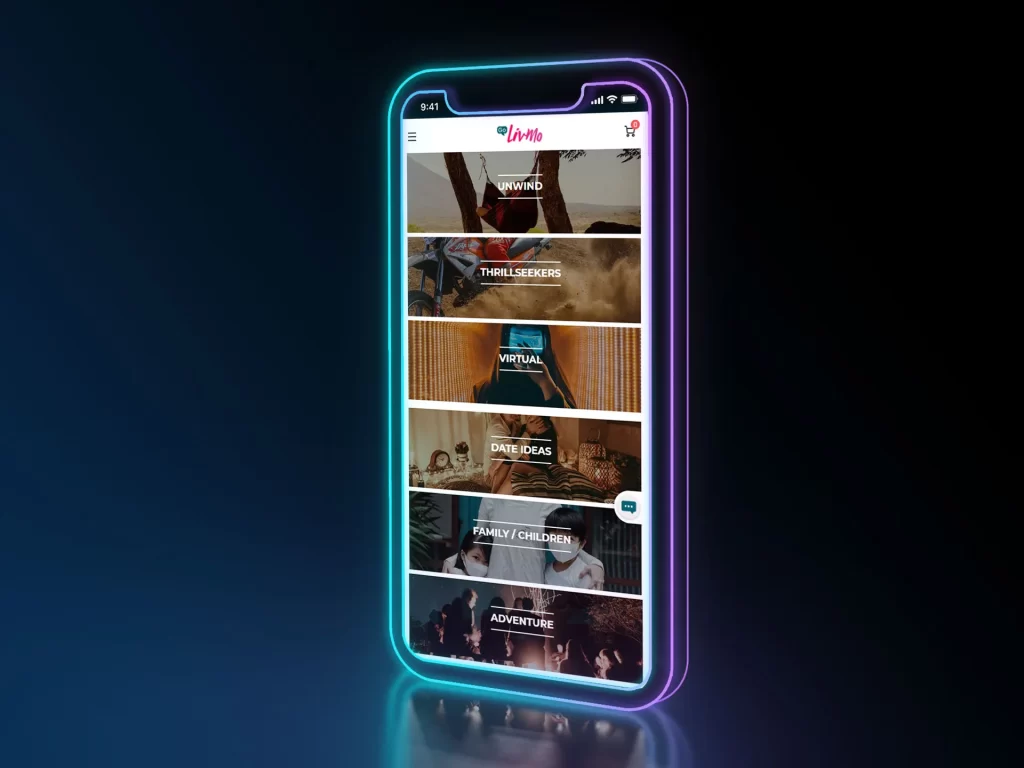
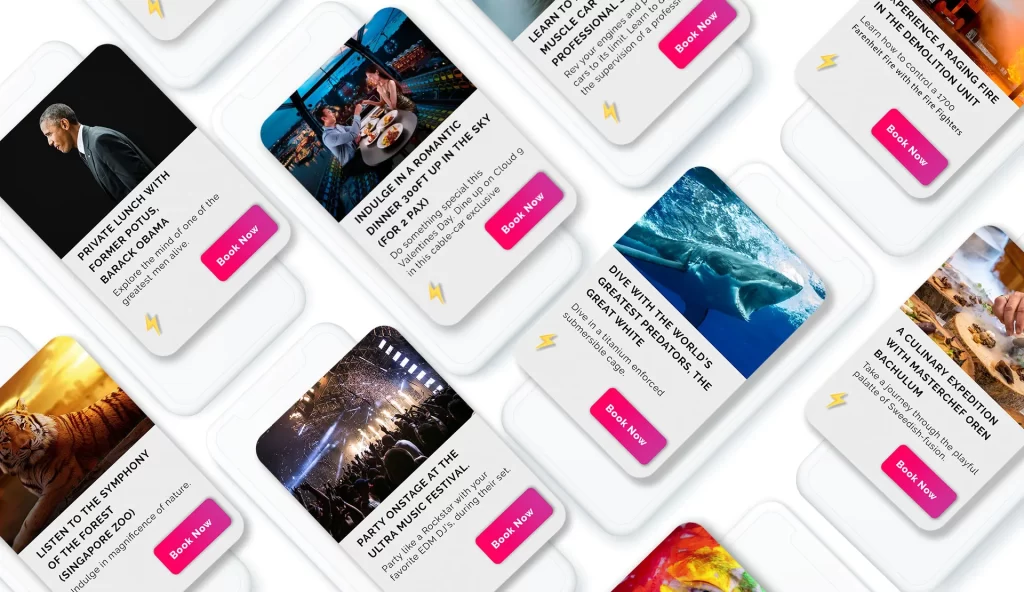
Prior to Covid, we’ve usually focused on Celebrity meet & greets, backstage access, family & children adventures, romantic date night ideas, off-menu dining experiences, outdoor adventures, unique branded experiences, private parties, masterclasses, and many more.
We’ve curated some exciting experiences with Barack Obama, Arnold Schwarzenegger, and Kobe Bryant, a private end of tour party with Grammy-Award winning artist KYGO at the rooftop of the Marina Bay Sands to a unique dining experience from ingredients procured during a renowned Chef’s expedition across the globe. Another exciting branded off-road experience we enjoyed was with Land Rover in a music festival in the middle of the desert. Some of the ideas are crazy, and we love it that way.